
Rearing shrimps is an interesting activity for all aquarists. Shrimp are small, colorful invertebrates that inject liveliness, variety, and utility to aquariums. Since they clean up uneaten foodstuffs and other wastes naturally. A common question when it comes to shrimp owners is: Do Shrimp prefer heavily planted tanks? The answer is yes, and with good reasons.
Content Table
This hygger blog discusses the relationship between shrimp and plants, what heavily planting a tank implies about their health. Additionally, how to maintain a system like this, and what floating plants are most beneficial to a shrimp tank.
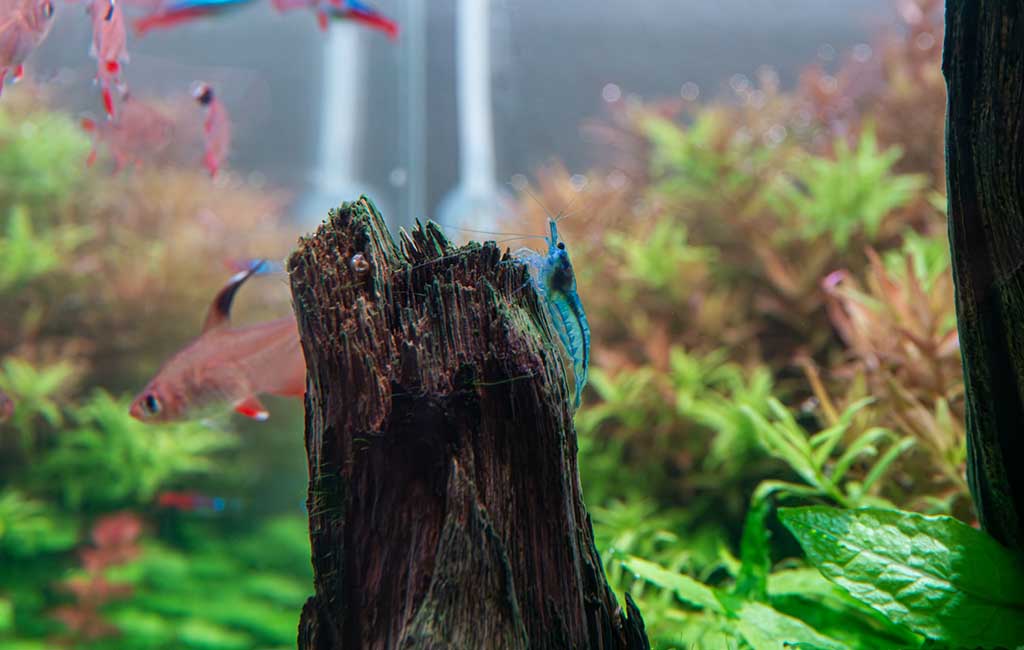
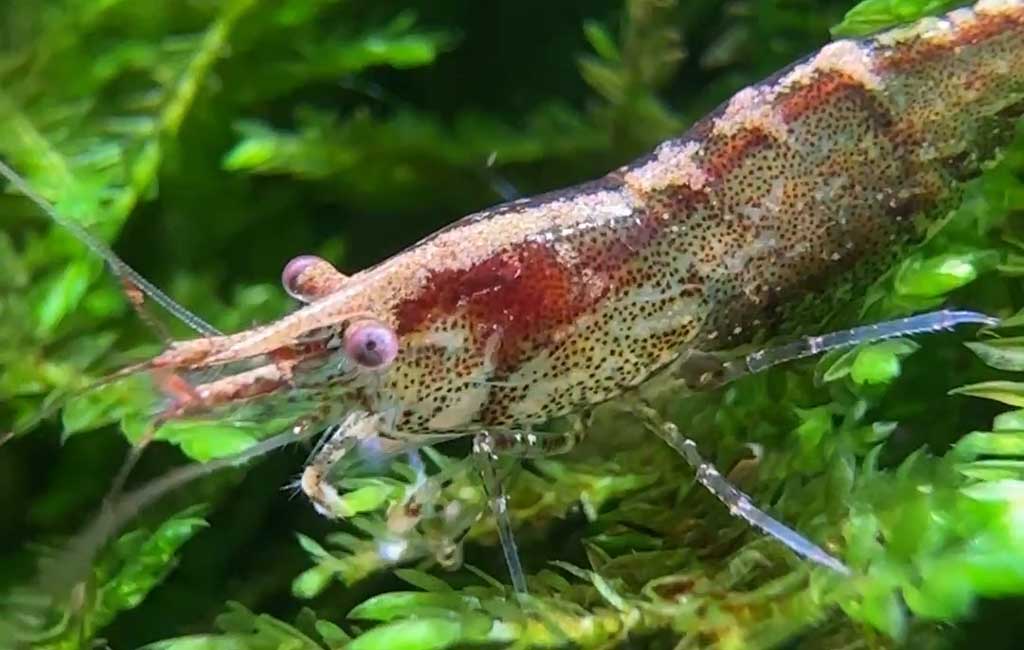
plant benefits for shrimp
Can Shrimp Live with Plants?
Yes, aquatic plants can coexist with shrimp, but as a matter of fact, they are more comfortable in these conditions. Aquarists must comprehend the general needs of shrimp and the place of aquatic vegetation before putting them into a planted tank.
Key Points to Know Before Keeping Shrimp in a Planted Tank
1. Water Parameters
The shrimps are also very vulnerable to alterations in the water chemistry. The majority of popular species, like cherry shrimp or crystal red shrimp, do well in soft to moderately hard water. Slightly acidic to neutral pH at 6.2-7.4 and with stable temperatures of 68-76°F (20-24 °C). It is important to test with a good and stable kit frequently to make sure that pH, GH, KH, and TDS stay within a perfect range.
2. Stable Conditions
The level of stability is crucial. Shrimps are not receptive to drastic temperature, pH, or toxin fluctuation. Small doses of Ammonia and nitrite are deadly. Although live plants can help in removing these through natural absorption in the tanks. Also, on the regular cleaning of the tank, the use of biofiltration and slow acclimating of a large number are non-negotiable.
3. No Copper
Copper is used as a fertilizer in most plants. Fishery drugs are extremely poisonous to shrimp, even in low traces. Always look at labels and only apply products that are shrimp-safe to fertilize or treat a shrimp-planted tank.
4. Safe Substrate
Water chemistry ought not to be distorted excessively by the substrate. Substrates that are nutrient-dense may liberate ammonia or reduce pH, which may damage delicate shrimp. Use inert materials such as sand, gravel, or shrimp designed for aqua soils. Biofilm can grow on these surfaces, and biofilm is a significant food of shrimp.
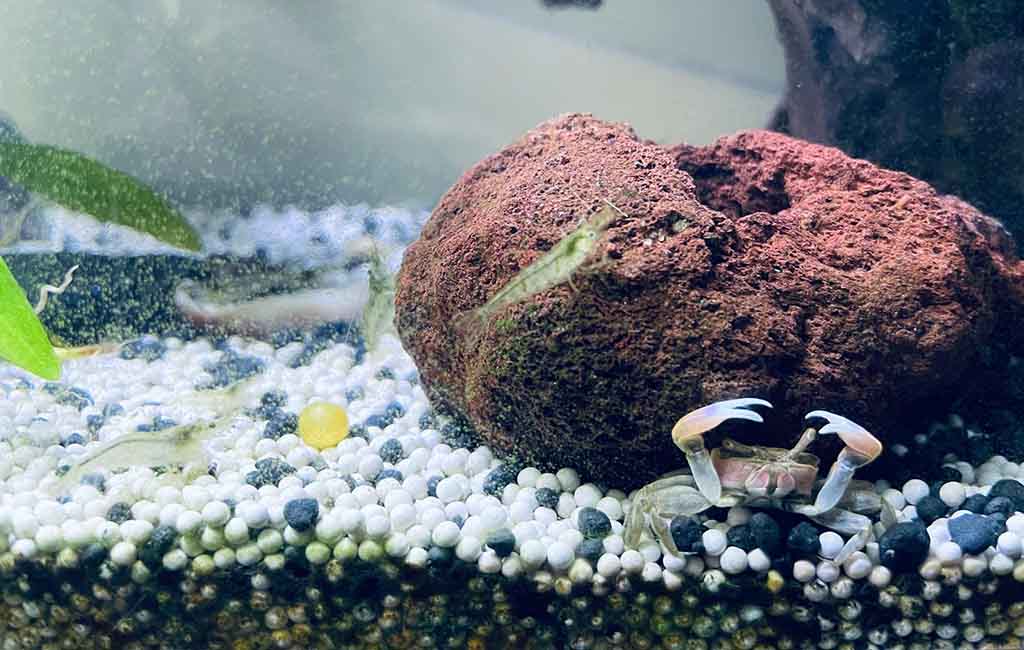
planted shrimp tank
Do Shrimp Like Heavily Planted Tanks?
So, what exactly is a heavily planted tank? It refers to an aquarium that contains a dense variety of rooted and floating aquatic plants. This type of environment offers shrimp several advantages, and they love it.
Why Shrimp Prefer Heavily Planted Tanks:
1. Shelter and Security
The wild shrimps are the natural prey, and they strongly depend on vegetative densities as protection. The dense planting of aquariums partly covers the plants, such as Java moss, Anubias, and ferns. So, reducing the stress level and making shrimp appear more visual and active, even during the day. Reduced stress translates to greater levels of health, coloration, and longevity.
2. Grazing Surfaces
The wild shrimps are the natural prey, and they strongly depend on vegetative densities as protection. The dense planting of aquariums partly covers the plants, such as Java moss, Anubias, and ferns, reducing the stress level and making shrimp appear more visual and active, even during the day. Reduced stress translates to greater levels of health, coloration, and longevity.
3. Breeding Haven
Shrimp require a safe environment to breed. Berried (egg-carrying) females have a safe hiding spot in heavily planted tanks, and the newborn shrimplets will go unnoticed by possible tank mates.
The ideal nursery ground is provided by fine-leaved plants: mosses or floating roots, and this increases the survival percentages considerably.
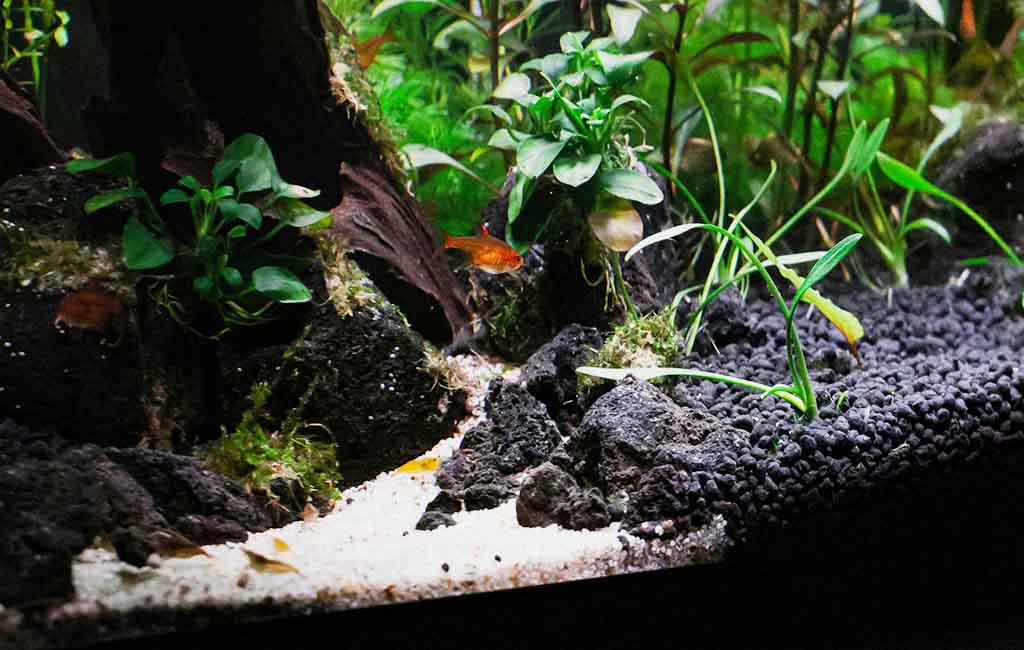
Shrimp tanks require some water changes
Do Heavily Planted Shrimp Tanks Need Water Changes?
Yes, even densely stocked shrimp tanks require some water changes, but they have to be performed in a calculated and gentle manner.
Plants are useful when it comes to nutrient intake and filtration, but they do not exclude the necessity of tank maintenance.
Why Water Changes Are Still Necessary
1. Prevent Nitrate Build-Up
Live plants remove ammonia and nitrites well, but do not take out nitrates so well that nitrate tends to accumulate over time, especially in a closed system. High nitrates may make shrimp’s immune systems weak and decrease breeding rates.
Even unexpected causes some mortalities. Routine partial water changes serve to control the occurrence of nitrate. It also supports the maintenance of steady, green, and healthy conditions.
2. Maintain Mineral Balance
Shrimp (particularly Neocaridina and Caridina types) require particular levels of calcium, magnesium, and trace minerals to slough their shells and develop properly.
They are utilized by the plants at the same time as they are being used up through other activities. In the absence of fresh water, the shrimp may not molt, their shells may be misshapen, and their growth may be slow.
3. Remove Tannins and Organics
In several aquariums, there are driftwood, leaf litter, or rotting plants. These items liberate tannins and soluble organics. A small quantity is not harmful, but with exaggerated quantities. This contaminates the water and reduces the PH, causing instability.
The changed frequency of water will eliminate such substances and keep the tank cleaner and clearer.
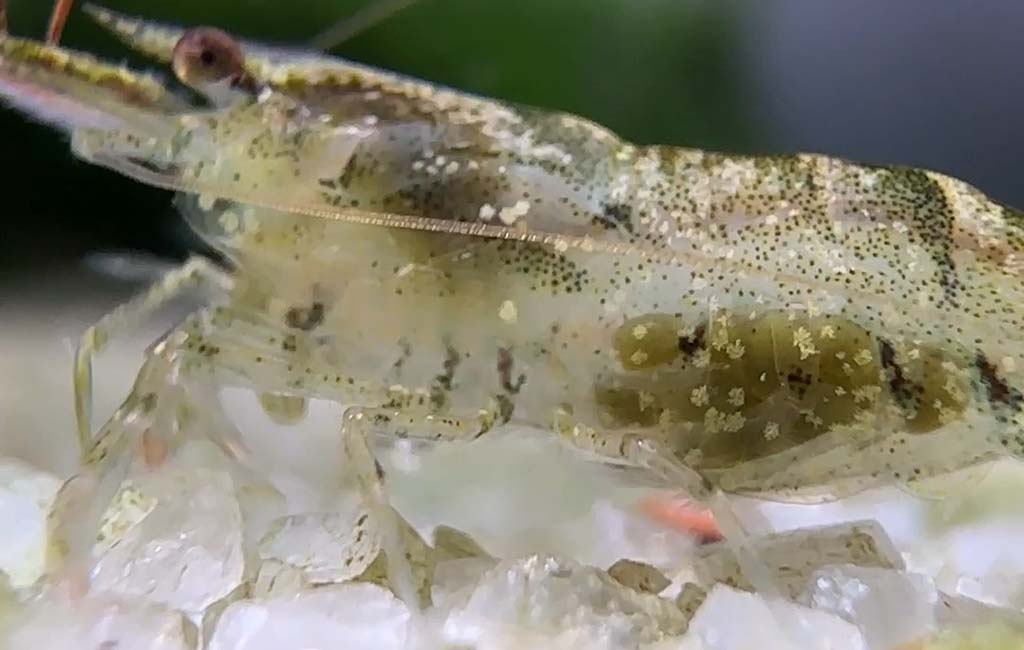
How to Change Water Without Harming Shrimp
How to Change Water Without Harming Shrimp
- Small Changes, frequently: Switch 10-15 percent of the water per week, rather than big changes that are done less often. This helps take the stress out and does not shock the shrimp.
- Match Parameters: Replacement water should be equal in temperature and as close as possible to the pH, GH, and KH to prevent osmotic shock.
- Use a Fine Pre-filter: Shrimp and babies will get sucked into the siphons. Always put a fine mesh or sponge over your siphon or intake when changing water.
Plants Provide Numerous Benefits for Shrimp
Shrimp require calcium, magnesium, and trace minerals to molt and grow. When these minerals dry up, then the shrimp cannot molt and get these deformities, and grow at a snail’s pace. These minerals are added back by water changes, and they make shrimp healthy.
Key Benefits of Plants in Shrimp Tanks
- Biofilm Production: The natural growth of a biofilm on the surface of plants occurs. This combination of algae, bacteria, and the detritus is what the shrimps feed on.
- Water Filtration: There is ammonia, nitrite absorption, and toxic spikes that are subsidized through fast-growing plants requiring extra nutrients.
- Oxygenation: Green plants produce oxygen through the process of photosynthesis, which is paramount in the process of breathing taken by shrimps.
- Shade and Temperature Regulation: Floating plants and long stems minimize light and ensure that the shrimps are not stressed.
- Breeding Support: Plants with fine leaves, such as the mosses, provide a hiding place to deposit eggs and to shield shrimplets from the pregnant females.
floating plants for a shrimp tank
Some Floating Plants for Shrimp Tank
Floating plants are a fantastic addition to shrimp tanks. They grow quickly, help reduce nitrates, and create natural shading that shrimp appreciate. Many also develop long, hanging roots that shrimp love to climb on and forage through.
Do Shrimp Like Floating Plants?
Yes! Floating plants have a place of shelter and a foraging area. Shrimp tend to be inverted on roots or sleep under the shade that the roots offer.
Recommended Floating Plants for Shrimp Tanks
1. Amazon Frogbit (Limnobium laevigatum)
This plant has large lily-pad-like leaves with trailing roots, and provides great surface cover and shade. The suspended roots provide natural protection to shrimp and the biofilm grazing terrain. It is a fast-growing plant and a stunning canopy that can cover the tank with a luscious jungle appearance in medium and high light.
2. Salvinia Natans
These are small floaters that are simple to maintain. They prefer low to moderate light. Their leaves are soft, fuzzy, and remain slightly submerged underwater and preventing excess light from growing algae. Shrimp enjoy the peaceful, sun-shade provided by them.
3. Water Lettuce
Water Lettuce is a soft fern-type floater. It is low to moderate lit, and it remains in proximity to the water level. Its leaves also shade the water and prevent a lot of light, which would make algae grow. It provides a shady and calm setting that Shrimp likes under the water.
4. Duckweed
Duckweed is small and grows at a very high rate. It covers the surface with a green carpet. It prevents water quality issues and gives shade, though it may cover a tank without control. Shrimp love to harvest on the biofilm that accretes amongst its roots and on the underlying base of its leaves.
5. Red Root Floater (Phyllanthus fluitans)
Red Root Floater is quite colorful. The underside is deep red, and it grows compactly and in a tight form. It has long red-colored roots and is shrimp-friendly, which contributes to the biofilm. It enjoys medium and high light and provides some color to any shrimp tank.
The Final Word
Shrimp like a lot of plants in the aquarium. There, they are safe, healthy, and most likely in their wild homes. A bio-film tank with green, overstocked shrimp assists them to consubiofilmilm they enjoy, facilitates potential breeding, and provides water stability.
Yes, water changes are still called upon, but plants make them less frequent and less of a burden. The obsession with having a successful shrimp tank starts with the right plants, whether you are newly established in aquarium maintenance or have been raising fish for some years.
Pop in some floating varieties, stabilize conditions, and observe your shrimp thrive in its gorgeous underwater forest. A tank full of plants is not just about good looks; it also enhances the quality of life of your shrimp.
Related Products


Leave a comment