
Keeping an aquarium in good health does not only mean that you feed your fish. Water chemistry is also significant in maintaining balance in the ecosystem. Calcium carbonate is one of the numerous factors that affect the quality of water in an aquarium. It stabilizes the pH, contributes to the well-being of fish and invertebrates, and enhances the growth of shells and the coral skeleton.
Content Table
Regardless of whether you have a freshwater or a marine system, it can be helpful to know when and how to add calcium carbonate. To have a clear picture of how it works in the aquariums, this article will explain the application of calcium carbonate in aquariums, its purpose, dosage, and the benefits of using it in aquariums.
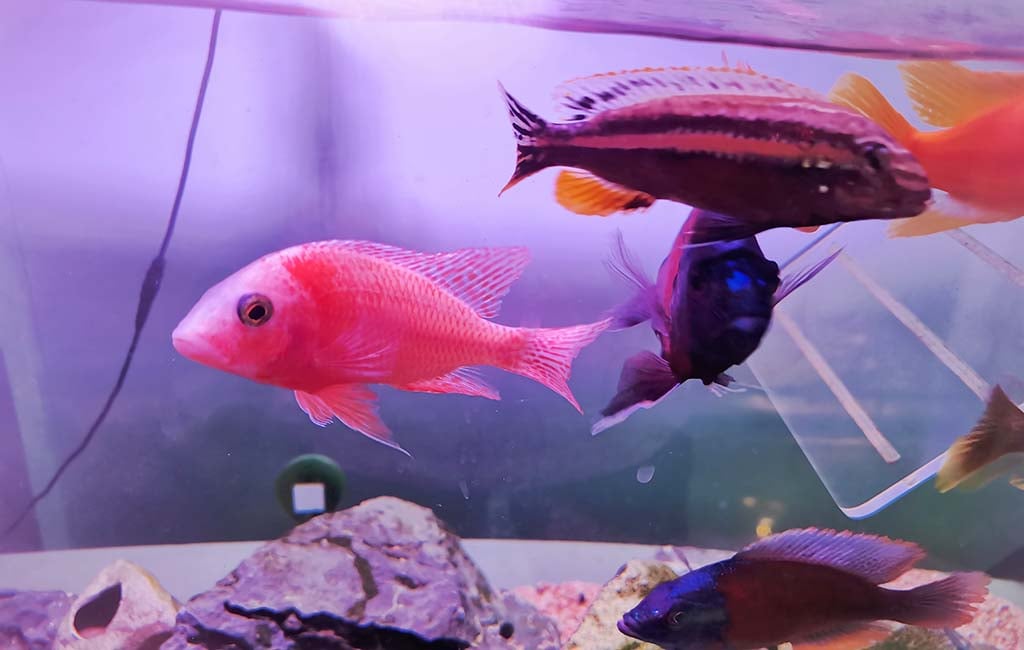
calcium carbonate
Calcium Carbonate in Aquariums
Calcium carbonate is a natural substance that is usually found in rocks, shells, and coral reefs. It can be added to aquariums with crushed coral, aragonite sand, limestone, or powdered supplements.
As the calcium carbonate is dissolved in water, it also gives out two valuable ions, calcium and carbonate. Calcium ions promote shell and skeletal development among fish, shrimp, snails, and corals. Carbonate ions, however, serve as a buffer in case of a sudden decrease in pH. A combination of these ions ensures a constant amount of general hardness (GH) and carbonate hardness (KH), which ensures a constant, stable aquatic environment.
When the water in your tank is soft or acidic, it can be fixed using calcium carbonate. In its absence, a variety of species that need harder water can develop health issues.
What Is the Purpose of Adding Calcium Carbonate?
Calcium carbonate is the key ingredient added to give stability to water. It helps to reinforce KH, which directly regulates the level of pH, eliminating dangerous variations. This comes in particularly handy in areas where there is naturally soft tap water, which is devoid of minerals.
GH is also increased by the presence of calcium and magnesium as a result of calcium carbonate. These minerals play a crucial role in the metabolism of fish, shell formation in snails, and molting in shrimp. In the case of reef tanks, calcium carbonate is a necessity since the corals require calcium to construct powerful skeletons.
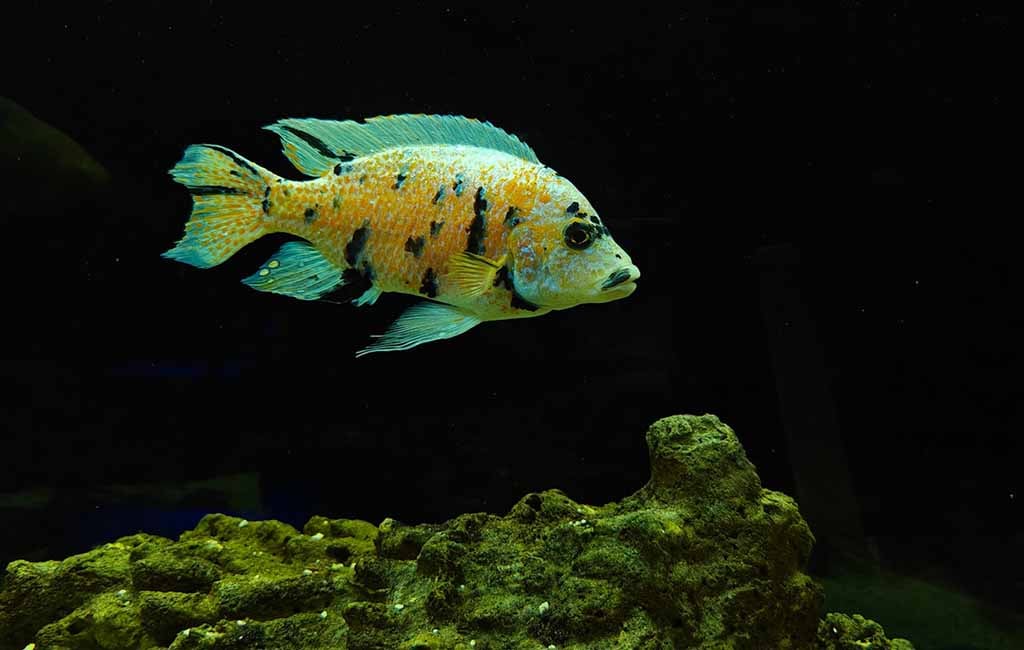
The other essential use is the improvement of the natural habitat of some species. An example would be the African cichlids that inhabit alkaline lakes with high calcium levels. Aquarists can recreate these natural conditions by the addition of calcium carbonate.
In a nutshell, calcium carbonate keeps your aquarium in a chemically stable state and provides necessary nutrients to aquatic life.
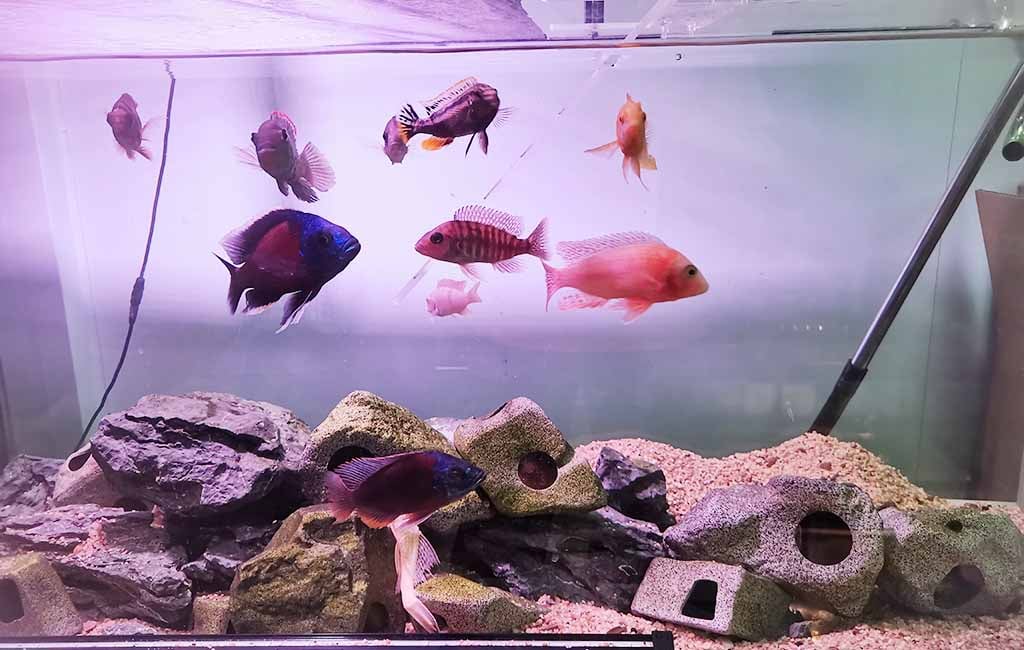
what is calcium carbonate
How Do I Know If My Tank Needs Calcium Carbonate?
The best method of knowing whether you need calcium carbonate in your tank is by testing your water frequently. GH, KH, and pH figures can be determined in a few minutes using aquarium test kits.
- When the KH is lower than 4 dKH, your tank can undergo unpredictable pH spikes.
- With extremely low levels of GH, fish and invertebrates may not be able to carry out simple biological functions.
- When pH continues to decrease despite frequent adjustments, it means that the buffering capacity is low.
Another way you can monitor your aquarium residents is by watching them with regard to calcium deficiency. Snails can have broken, worn, or thin shells. Shrimp may not molt successfully or develop weak exoskeletons. Corals can either cease to grow, become discolored, or be bleached. Hard water fish are less active or stressed in the soft environment.
The other sign is that water chemistry is often unstable. When your pH is going up and down, even when you add water, your tank will probably be deficient in additional calcium carbonate.
How Much Calcium Carbonate to Add to the Aquarium Soil
The correct dose of the tank and its occupants varies. One teaspoon of powdered calcium carbonate per 10 gallons of freshwater aquarium water is a general guideline to increase KH by approximately 2 dKH. Most community tanks can generally do with this.
With snails, shrimp, or African cichlids in an aquarium, you might need more. A lot of aquarists put the crushed coral or aragonite in a filter or utilize it in the substrate. The product offers gradual and consistent calcium carbonate release and is very stable in the long term.
Care must be taken in planted aquariums. Too much calcium carbonate can make the water too hard and therefore unsuitable to support sensitive plants. Such setups are better with smaller doses and frequent monitoring.
Coral and invertebrate growth demand a lot more calcium in marine aquariums. In this case, multiple teaspoons per 10 gallons or even calcium reactors might be required. The trick is to transition slowly. To prevent the sudden change of chemical and shock your fish, always test the water before and after dosing.
add calcium carbonate
What Is the Fastest Way to Add Calcium Carbonate to Fish Tanks?
Powdered calcium carbonate is the quickest solution when your aquarium is in need of a quick fix. It is soluble and increases the level of calcium and KH within a short period. Before adding it, you can mix the powder with tank water, and then it will be distributed evenly.
Another fast fix is in liquid calcium carbonate supplements. They can be used in the event of an emergency since they are designed to be dispersed immediately. They do not last as long, however, as the solid forms, and are therefore sometimes regularly reused.
To ensure long-term stability, however, most aquarists mix fast-acting options with slow-release methods. An example of this is adding a powdered dose to correct the water chemistry, or keeping crushed coral in the filter to release gradually. This will guarantee quick deliverables as well as continued maintenance.
Which Fish Tank Inhabitants Like Extra Calcium Carbonate?
Calcium carbonate is not beneficial to all species, though there are a number of species that are heavily dependent on it.
- Snails: Shell development requires the presence of calcium. In the absence of it, shells are weak and worn out.
- Shrimp: They need calcium to molt successfully and develop strong exoskeletons.
- African Cichlids: It is a fish that survives in hard and alkaline water conditions, just like its natural lakes.
- Livebearers (guppies, mollies, platies): They would like consistent mineral water with a constant pH.
- Goldfish: Calcium carbonate can maintain moderate levels of hardness, which allows these fish to remain healthy and active.
- Corals and invertebrates in the sea: The species require a lot of calcium so that they can develop strong skeletal frameworks.
Nevertheless, other fish species like discus, bettas, and tetra are more comfortable in soft water. In these, excessive calcium carbonate may lead to stress or health problems. The best way is to research what your aquarium residents’ natural needs are.
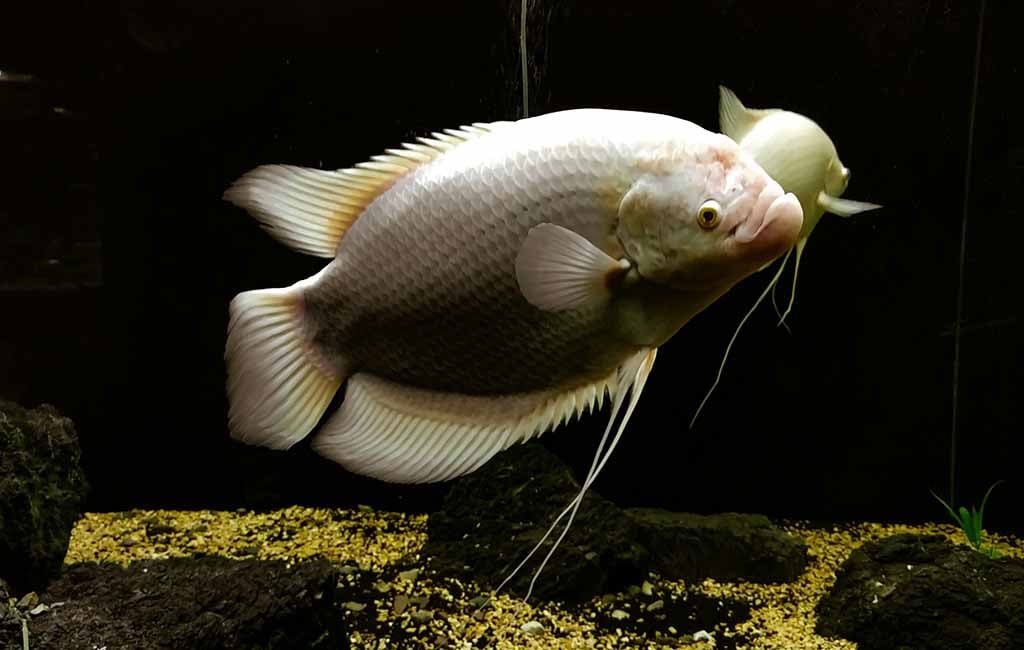
Extra Calcium Carbonate for fish tanks
Extra Insights: Mistakes to Avoid When Using Calcium Carbonate
Calcium carbonate is good, though excessive use of the same may cause problems. Excessive application of calcium carbonate in aquariums can lead to a sudden rise in pH, which can stress or even damage fish. Never add too much, and test water at a time.
The other error is the use of calcium carbonate alone without frequent testing. Aquariums are not stagnant, and the chemistry of water varies with time. When not monitored, you will find yourself overworking hardness or pH without even noticing it.
One should also not confuse the various buffering chemicals without due knowledge. An example is when calcium carbonate is mixed with strong alkaline buffers, and the level of alkalinity becomes too high. It is always best to modify one parameter at a time and then see what happens before you continue any further.
Using Calcium Carbonate Correctly
Closing Remarks
A convenient method of stabilizing your aquarium is to add some calcium carbonate to it. It inhibits the harmful changes in pH and facilitates the development of shells, exoskeleton, and coral skeleton. The right amount of dosage varies according to the size of your tank and the kind of species that you keep. Water parameters should be regularly checked pre-dosing and post-dosing to prevent overdosing.
Calcium carbonate is probably necessary if your snails have weak shells, your shrimp have problems with molt, or your pH is falling too frequently. Quick adjustments are possible with powdered or liquid, and the coral is crushed to provide a stable support. You can ensure your aquarium residents have a healthy and stable environment by knowing how to use it correctly.
Related Products





Leave a comment