
A water conditioner in the aquarium helps to improve the water quality and optimize the fish’s health. It doesn’t remove anything from water but neutralizes poisonous chemicals and metals. What a water conditioner does, how often you should use it to prevent tank water problems, and what happens if you don’t use it in an aquarium are in the scope of this article. Moreover, in the following, you’ll also learn about when to use it and how to know if the water conditioner is working or not. Scroll down to learn everything.
Content Table
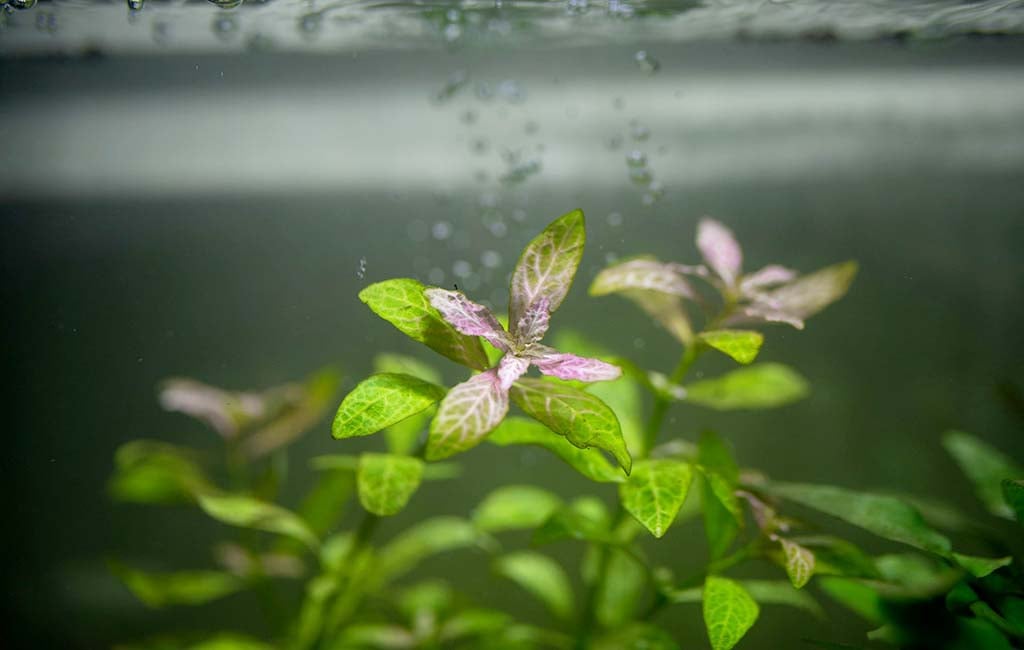
water conditioner in an aquarium
The Purpose of a Water Conditioner
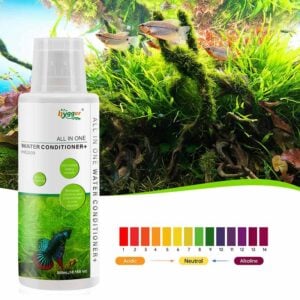
Water conditioners help to improve the water quality in the tank by neutralizing harmful substances in the water. It makes the water suitable for fish, plants, and humans.
Working Principle of the Water Conditioner in an Aquarium
Water conditioners in aquariums work on the principle of neutralizing the harmful chemicals present in water. They do it in several ways, e.g., dechlorination, detoxification of heavy metals, detoxification of ammonia, and improving the fish’s slime coat.
| Purpose | Why is it important | How it works |
| Dechlorination | Tap water often has chlorine and chloramine, which are toxic to fish. | Reducing agents in water conditioners, like sodium thiosulfate, break the chemical bonding in chloramine and neutralize chlorine. |
| Detoxification of Heavy Metals | Copper, lead, zinc, etc., can leach through the water pipe and cause biological changes in aquatic life. | Water conditioners use chelating agents to bind these heavy metals and keep them away from the fish’s gills and internal organs. |
| Ammonia detoxification | Breaking down chloramine releases ammonia, which is highly toxic to the fish and aquatic life. | Water conditioners convert the ammonia into non-toxic ammonium. However, this feature is only limited to advanced water conditioners. |
| Slime coat improvement | Under stress, fish receive damage to their slime coat, which protects them against various intruders. | Water conditioners have aloe vera that helps to improve the slime coat and make them resilient against skin infections. |
How Often to Put a Water Conditioner
How Often to Put a Water Conditioner in a Fish Tank?
If you are using tap water with a drip system, i.e., regular water replenishing, use a water conditioner daily. Otherwise, schedule it. Here is a general table of how often to add a water conditioner to a fish tank.
| When | Why |
| Right before adding water for the first time to the tank. | It will help in the detoxification of chlorine, chloramine, and heavy metals in fish tanks. |
| Every time the water changes | Use it according to the water volume being replenished in the tank. If you are changing about 20% water volume, dose according to that 20L. |
| Add before the addition of a new fish to the tank | Some advanced water conditioners have aloe vera. Adding a water conditioner before adding the fish to the tank will help to improve the slime coat and adaptation to the new environment. |
| After filter maintenance and medication | It ensures the water is chemical-free and safe for the fish. |
| Every Time there is a chlorine, chloramine, ammonia, or nitrite spike. | Use an advanced water conditioner to make the job easy for beneficial bacteria by detoxifying ammonia and nitrite. Regular water conditioners are enough for chlorine and chloramine spikes. |
What Happens If You Forget to Put a Water Conditioner?
If you are using tap water, it’ll be really disastrous for your aquarium if you forget to put in a water conditioner. You can see the spike of toxic chemicals and heavy metals in your tank, which can even kill your fish.
| Poisoning | Effects | Symptoms |
| Chlorine poisoning | Damage fish gills | Gasping |
| Reduce their breathing | Death in hours, if chlorine levels are high | |
| Lethargy | ||
| Chloramine Toxicity | Oxygen deprivation | Rapid gill damage |
| Can cause death | Inflamed gills | |
| Asphyxiation | Eratiac swimming | |
| Red gills | ||
| Ammonia Spike | Suppress the immune system | Lose appetite |
| The effect of the beneficial bacterial growth and population | Burned gill edges | |
| Heavy metal poisoning | Breathing problem | Clamp fins |
| Stress | Shaking | |
| Developmental abnormalities | Sudden rise in the death toll of invertebrates | |
| Affects the reproductive system | ||
| Impact on fish development | Color fading | |
| Kill beneficial bacteria |
What does a water conditioner do
How Do I Know If I Need a Water Conditioner?
Here is a simple breakdown of when you need to use the water conditioner in your tank.
Water Source
The water source to the tank is largely defined when you need to use a water conditioner. Here are the types of water and the requirements for the water conditioner.
| Water Type | Water Conditioner Usage | Why to Use |
| Tap water | Yes | Tap water usually has chlorine and chloramine, which are toxic to fish. |
| Groundwater | Test your water and act according to the water parameters | If your groundwater contains any heavy metals or chlorine, use it to avoid harming fish. |
| Rainwater | Test the water parameters | It may require adjusting the pH or the pollutant. |
| RO/Distilled water | No | It is up to the mark or standard water for the fish tank. |
How to Know If the Water Conditioner Is Working?
A water conditioner is not a machine or any tool for which you have some apparent visual inspection checks. It helps to neutralize the chemical activities that are not suitable for fish and aquatic life. Here are some signs to know whether your water conditioner is working or not.
Before and after Chlorine/Chloramine Test
- Have a chlorine level testing kit and check the chlorine/chloramine level in the water.
- Add the water conditioner to the tank.
- After 5 minutes of adding water conditioner, check the chlorine/chloramine level in the water.
- See the difference in chlorine/chloramine level. If it’s zero or reaching near the zero, the water conditioner is working fine.
Fish Behavior
- Check the fish behavior.
- Add the water conditioner to the aquarium.
- After 5 minutes, check the fish behavior. If the fish is swimming steadily, eating normally, and has no gasping, your water conditioner is working effectively.
Ammonia Test
- Check the ammonia level in the water with a testing kit.
- Add the water conditioner to the tank.
- After 5 minutes, check the ammonia level. If ammonia and nitrite levels are normal, your detoxifier is working efficiently.
Slime Coat Protection
- Visually inspect the fish skin and scales. Check the gills and any spots on the skin. If you see any signs, you need a water conditioner.
- After checking the water parameters, add the aloe vera water conditioner, and give it time.
- After a few hours, check the slime coat. If the skin is turned shiny and smooth, your product is working effectively.
Prevent tank water problems
Final Insights
A water conditioner helps to make the water suitable for aquatic life in the tank. It does not remove anything from water but neutralizes the harmful substances or metals in the tank. If you are using RO/DO water, you don’t need it. In case of tap water, add it before water addition, before fish introduction, on water change, and in chlorine/chloramine spike. You can understand its functionality by checking the chlorine and ammonia levels, fish activity, and slime regeneration on the fish. Usually, it affects the water within a few minutes.
Related Products



Leave a comment