
Geckos are lizards that possess some unique features that attract hobbyists. For example, they are masters in color alteration, with no eyelids, etc. This article will cover their profile and dietary preferences, such as what geckos eat. How to prepare their diet and feeding frequency is also an interesting topic to learn. Ultimately, there are several unique facts about geckos. Scroll down to know these things.
Content Table

gecko
Gecko or Lizard
Yes, geckos are a type of lizard. They belong to the infraorder Gekkota, which is a subgroup of lizards. Scales, backbone, and mostly egg-laying capability make them similar to lizards. However, people are often misled by their features, i.e., climbing toe pads, the absence of eyelids, and vocalizations.
Profile
| Feature | Description |
| Phylum | Chordata |
| Order | Squamata |
| Genera | 125 different genera |
| Species | 1500 |
| Family | Mainly Gekkonidae |
| Common name | Gecko |
| Distribution | Throughout the world, in tropical and subtropical regions |
| Size | 1.6 cm to 60 cm |
| Body | Soft and flexible, colorful body |
| Tail shedding | Yes, they do as a defense mechanism |
| Eyes | Large, no eyelids, and vertical pupils |
| Feet | Setae at the toe pads that help in straight climbing |
| Habitat | Forests
Deserts |
| Human dwellings | |
| Rocky areas | |
| Mountains | |
| Food | Mainly crickets, flies, and moths |
| Behavior on activity hours | Nocturnal |
| Way of Communication | Chirping or clicking |
| Nature | Territorial |
| Reproduction | Mostly lay eggs, 1 or 2 at once |
| Life span | Up to 20 years |
What Do Geckos Eat?
Geckos’ diet is versatile because they are distributed throughout the world, except in Antarctica. Most of the species love to feast on insects. However, some species love to feast on different fruits and nectar. Here is a preferred list of insects and fruits.
Eating Preference
| Insects | Fruits |
| Dubia roaches | Grapes |
| Crickets | Plums |
| Red worms | Pineapple |
| Silkworms | Cherries |
| Mealworms | Guava |
| Superworms | Mango |
| Waxworms | Blueberries |
| Fruit flies | Pears |
| Earthworms | Papaya |
| Apples | |
| Watermelon | |
| Bananas |
How to Prepare the Food?
According to feeding habits, there are two types of geckos. Here is food preparation for both types of geckos.
Insect-Preferring Food
- 24 hours before feeding insects to geckos, feed them highly nutritious food. It’ll provide sufficient nutrients to geckos.
- Just before feeding, dust the insects with calcium powder and Vitamin D3. Dust the insect with multivitamin powder once a week.
- Feed them in a shallow dish. It’ll minimize their chance of escaping.
What do geckos eat
Omnivorous Food
- Make a smoothie with 2 to 3 parts water and 1 part powder.
- Stir the smoothie gently.
- Put the smoothie in a shallow dish inside the enclosure.
- Randomly feed them gut-loaded and dusted calcium.
Feeding Quantity
Feed them so that they can finish within 15 minutes. After 15 minutes, remove the leftovers.
Feeding Frequency
| Type | Frequency |
| Juvenile | 2 to 3 times daily |
| Adult Insect-eating Geckos | 2 to 3 times a week |
| Adult fruit-eating Geckos | 3 to 4 times a week |
How Long Do Geckos Live
Average Lifespan and Habitats
With well-feeding and optimal care, the average lifespan of most gecko species is 10 years or more. Except for Antarctica, they are present throughout the world. They prefer different habitats.
| Habitat | Distribution |
| Rainforests | Under the tree bark and tree hollows |
| Deserts | Burrow themselves under rocks during the day hours |
| Human vicinities | Houses
Warehouses Cemeteries |
| Rocks | Rocks
Clay-gravel soil Near rock outcrops |
| Grasslands | |
| Caves | |
| Coastal regions |
Who Has the Longest Life?
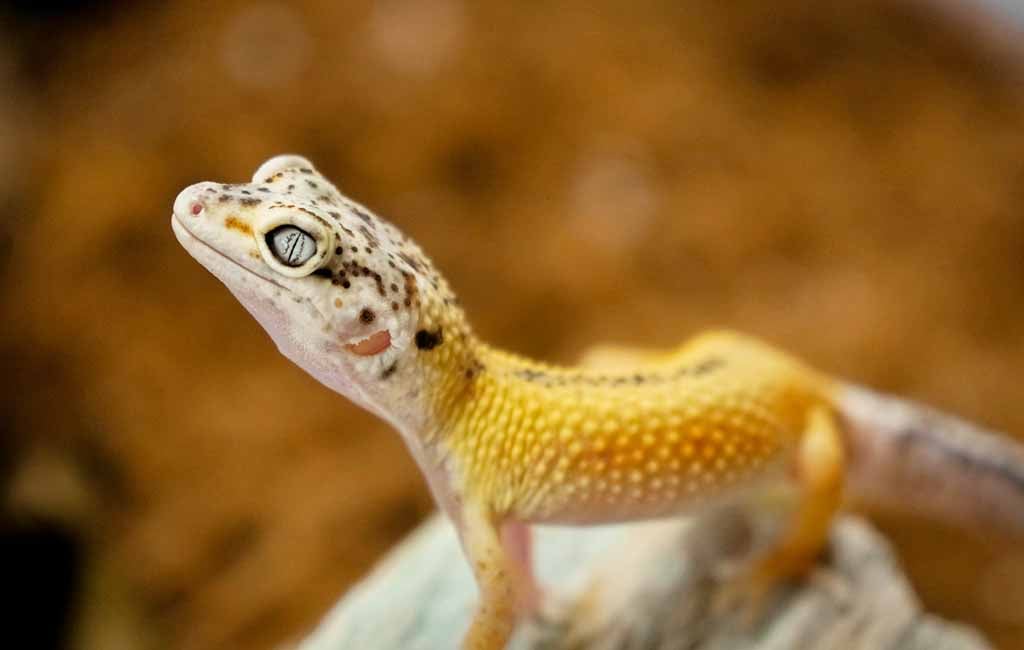
The Waitaha geckos are the longest-living geckos, i.e., 60+ years. They live long because they reside near the coastal regions of predator-free islands in New Zealand. Leopard geckos and gargoyle geckos are two other long-lived gecko species, i.e., 20 to 25 years.
The Weakness of Geckos
Like any other lizard, reptile, or living being, geckos have certain vulnerabilities. Here are some of the gecko’s weaknesses.
- They have a fragile tail and skin. With gentle handling, it can tear off. Regeneration is slow and costly.
- Their size makes them highly vulnerable to predators. Some predators are birds, snakes, cats, and larger lizards.
- Tropical geckos require water as they are vulnerable to dehydration.
- They optimally live in a strict temperature and humidity. Cold temperatures make them lethargic. The hot and dry season makes them vulnerable to dehydration.
- Frequent handling, stressful tank mates, and loud noises cause stress. Stress causes them illness and rejection of food.
- They require calcium and vitamins to avoid MBD, i.e., metabolic bone disease.
- Mostly, geckos reject dead insects. They prefer live feed.
- Due to poor hygiene, they become victims of external and internal parasites.
- Due to the absence of eyelids, they require special eye care.
- In the wild, they strictly need a hiding spot to avoid being preyed upon.
- A toe injury or loss makes Gecko’s survival hard because they can’t escape without their specialized toe.
leopard gecko
The Facts About Geckos
- All geckos communicate through voice. However, it ranges from small squeaks to loud whistles.
- Leopard geckos have movable translucent eyelids. They move it while sleeping.
- Most geckos lack eyelids.
- They can tear off their tail to escape from the predators.
- Geckos utilize their tails as a primary source of fat storage.
- Most geckos are nocturnal. It helps them avoid the day’s heat and dryness.
- Geckos have nanoscale hair, i.e., setae, on their feet. Setae help them stick to every surface except dry Teflon.
- Their eyes are 350 times more sensitive than human eyes. This ability enables them to see in vivid colors, even in moonlight.
- Geckos produce different sounds. Each sound type is a specific communication signal.
- Pygopodidae and some other gecko species lack forelegs, which resemble snakes.
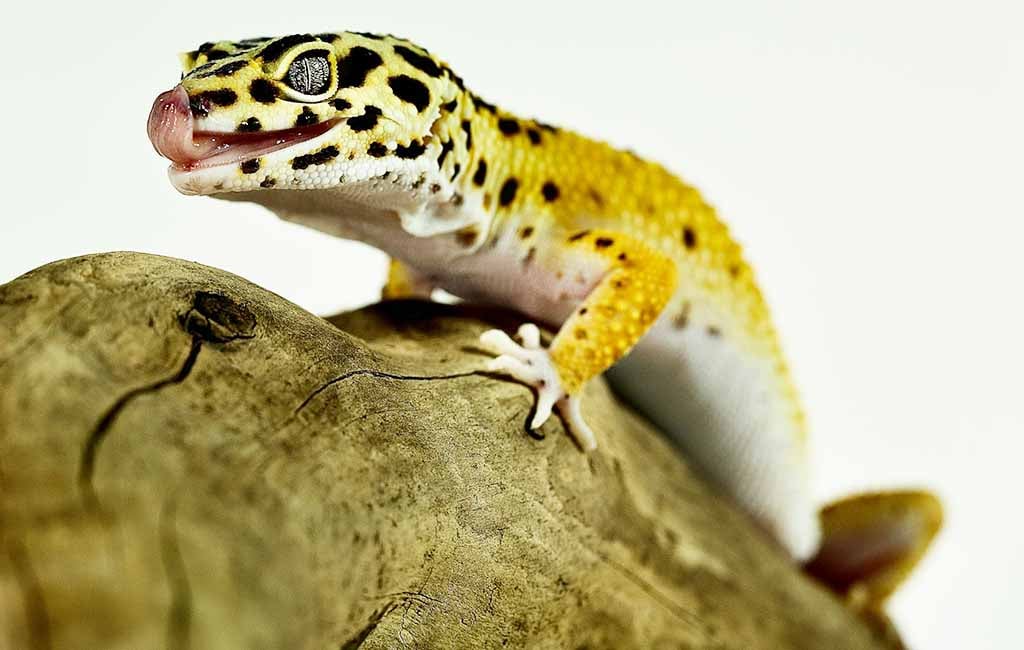
- Geckos lick their eyes to keep them moist.
- They change their color to camouflage themselves.
- Some gecko species can glide through the air up to 200 feet.
- The smallest gecko is less than 2 cm long.
Lasting Impressions
Geckos are a type of lizard. They are present throughout the world except Antarctica. Their dietary preferences vary between carnivores and omnivores. However, omnivore species also require insects occasionally to meet various nutritional requirements. They have soft, tender skin and tails. They shed their tail to avoid predators and in response to stressful conditions. With optimal food and care, they can live up to 20 years.
Related Products



Leave a comment