
Fish are far stranger than most people give them credit for. Watch one long enough through aquarium glass, and you might notice something odd around the eye area. Something that looks like a tear. And if you have ever wondered whether fish actually cry, or whether they pick up on the world in ways humans cannot, those are not silly questions. The biology behind both topics turns out to be genuinely surprising and worth understanding properly.
Content Table
Let’s read this post and know the aspects regarding whether the fish have tears in stress condition and about the six senses if they really possess them.
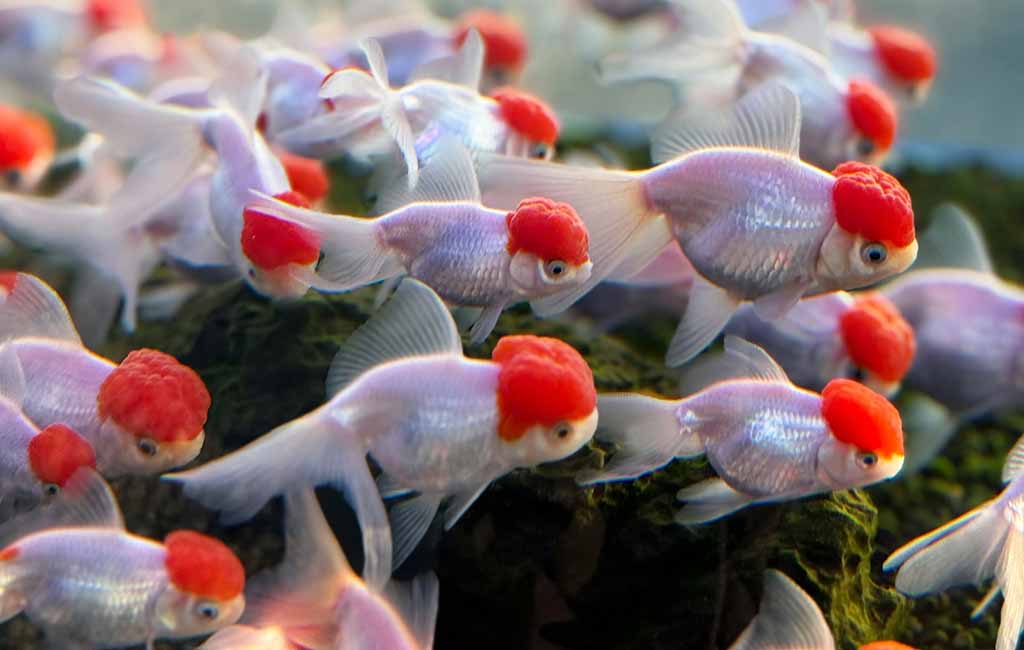
do fish have six senses
Does Fish Have Tears?
Do Fish Have Tear Sacs?
The short answer is no. Fish do not have lacrimal glands, which are the structures responsible for producing emotional or lubricating tears in mammals. No tear sacs. No tear ducts. The anatomical equipment simply does not exist in fish the way it does in dogs, humans, or other land animals.
This is not a flaw in their design. It is actually a logical outcome of where fish live. Tear production in land animals evolved specifically to solve a problem: keeping exposed eye surfaces moist and protected in open air. Fish eyes are submerged in water at all times. The surrounding water itself handles the job.
Whether Fish Tears Are Used for Emotional Expression or Ocular Surface Lubrication
Among mammals, tears serve several purposes:
- Emotional response to pain, stress, or strong feelings
- Basal lubrication to keep the cornea moist
- Reflex tearing triggered by irritants
- Immune defense, since tears carry lysozyme and other antimicrobial proteins
Fish bypass all of this through direct water contact. The ocular surface of a fish is continuously bathed, cleaned, and defended by the surrounding aquatic environment. There is no need for a separate fluid production system. Do fish have tears in any functional sense? The answer is no, and the reason is elegantly simple.
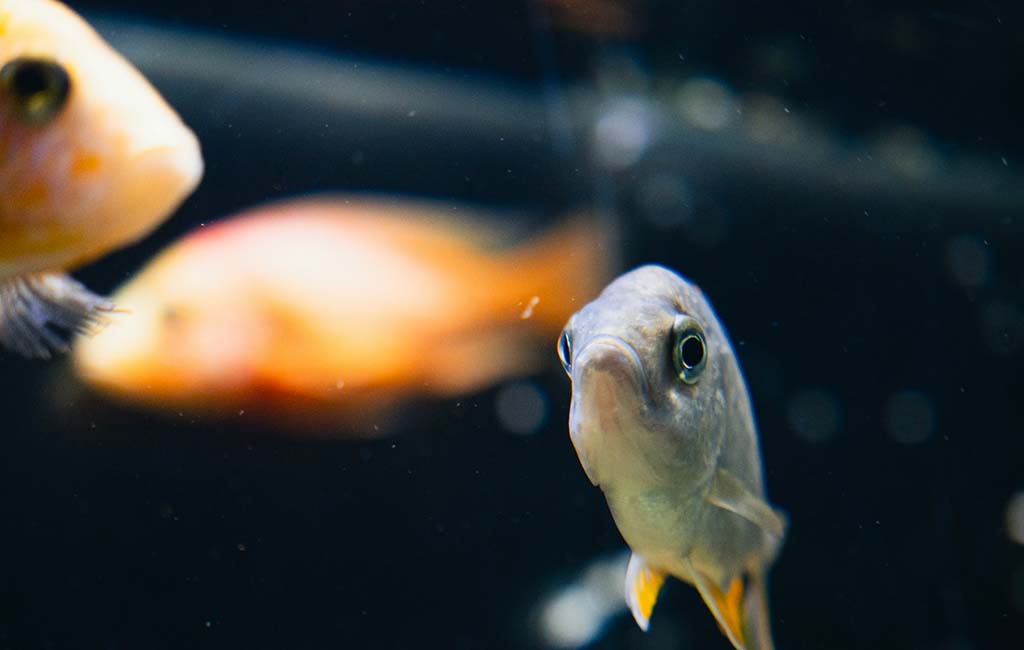
Eye Secretions of Fish
Where Do the Eye Secretions of Fish Come From?
The Tear Phenomenon in Fish
Here is where it gets interesting. Fish do produce mucus across their body surfaces, including near the eyes. Goblet cells in the conjunctival tissue can release thin secretions. Under certain lighting conditions or when a fish is stressed or ill, this mucus becomes visible around the eye area as a faint, wet sheen.
That is the tear phenomenon in fish. Not emotional weeping. Not lubrication in the mammalian sense. It is a mucus secretion responding to irritation, infection, or environmental change.
Water quality matters here significantly. In tanks with elevated ammonia or pH imbalances, fish often show increased eye secretions. The body is reacting to chemical stress, not grief.
Why Do Many People Think That Fish Are Crying?
Common Scenarios That Look Like Fish Crying
People report seeing what looks like tears in several situations:
- A fish pressed against the glass, eyes catching the light at an angle that creates a glare resembling moisture trails
- Sick fish with cloudy or protruding eyes (a condition called pop-eye or exophthalmos) that produce visible fluid buildup
- Fish under transport stress, where mucus production across the body increases noticeably
- Goldfish or bettas sitting motionless near the water surface, looking, for lack of a better word, dejected
The brain interprets familiar emotional cues and projects them onto fish behavior. A slow-moving fish with eyes that appear wet triggers an empathetic response. That is human pattern recognition doing what it always does, finding emotion in form and posture.
Fish do experience stress. Research confirms they respond to noxious stimuli with behavioral and physiological changes. But crying, in the emotional, tearful sense, does not occur.
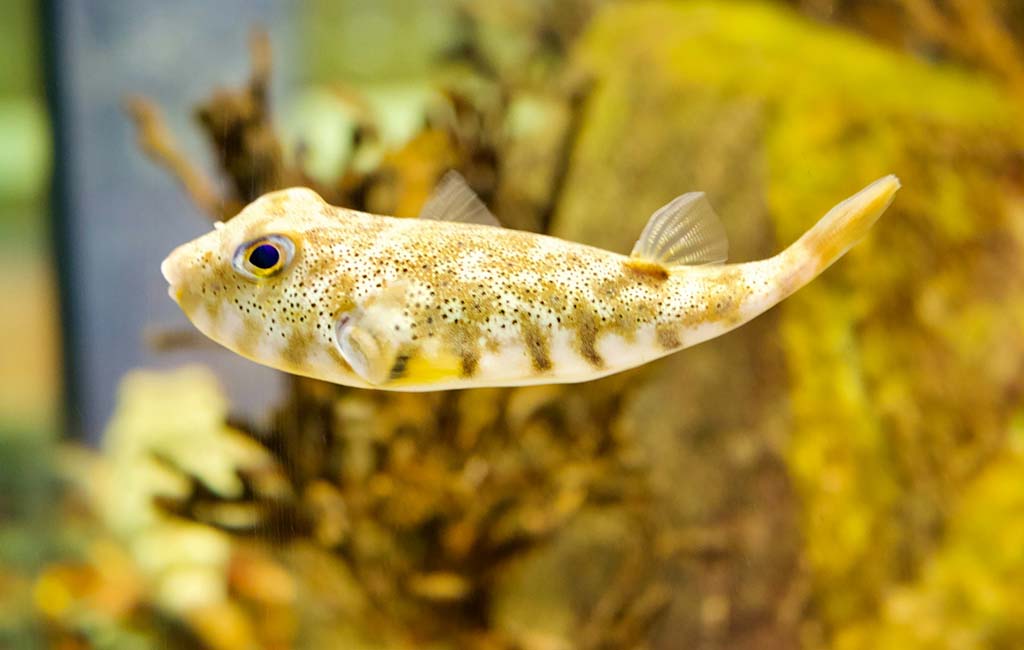
does fish have tears
Do Fish Have Six Senses?
A More Scientific Classification Based on the Senses of Fish
This question requires specificity. The answer depends entirely on which fish, and how you count.
Most fish possess the following sensory systems:
- Vision: Well-developed in most species, adapted to water clarity and depth
- Hearing: Fish detect sound waves through otoliths, calcium carbonate stones in the inner ear
- Smell (Olfaction): Highly acute in many species; sharks can detect blood at concentrations of one part per million
- Taste (Gustation): Some fish have taste buds not just in the mouth but distributed across the body surface and fins
- Touch and pressure: Mechanoreception through skin and specialized cells
- The lateral line system: A sensory organ with no direct human equivalent
That last one is the one that changes the count. Do fish have six senses? If the lateral line is counted separately from touch and basic pressure detection, then yes, by most biological frameworks, fish possess at a minimum six distinct sensory modalities. Some species add electroreception, pushing the total higher.
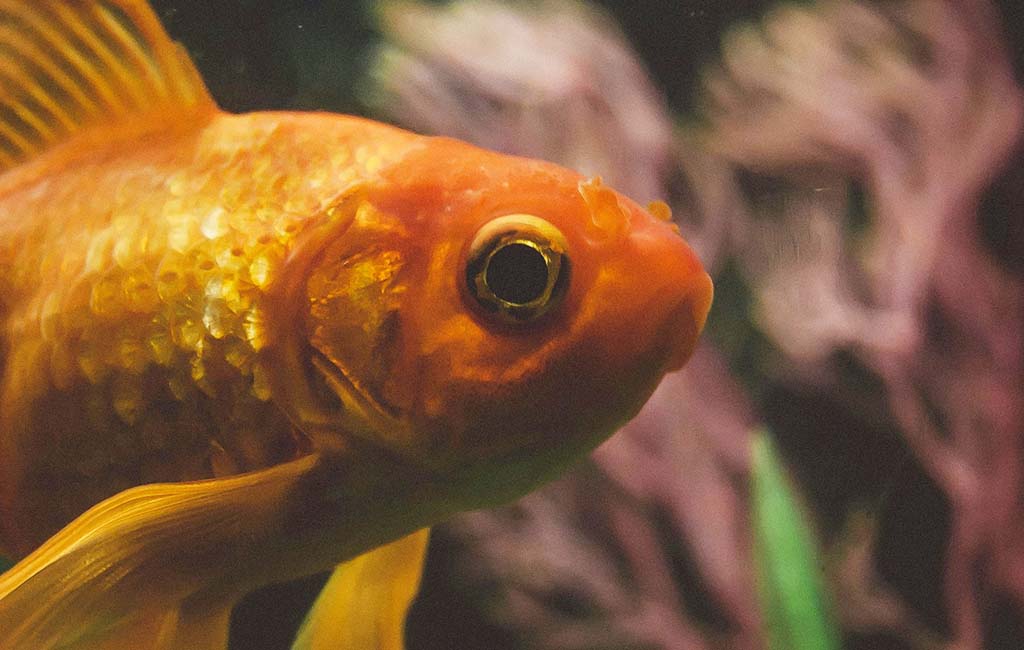
Sensory Feature of Fish
The Most Distinctive Sensory Feature of Fish: The Lateral Line System
What Does the Fish Lateral Line System Sense?
The fish lateral line system is a network of sensory organs running along the sides of the body and across the head. It detects changes in water pressure, movement, and vibration at extremely low frequencies.
Specialized receptor units called neuromasts sit either on the skin surface or within fluid-filled canals beneath it. Each neuromast contains hair cells that bend in response to water displacement. That bending generates a nerve signal.
What the fish lateral line system actually picks up:
- The bow wave created by an approaching predator before it is visible
- Turbulence patterns left behind by other fish allow precise schooling without visual contact
- Subtle current shifts near rocks, reefs, or prey hiding in sediment
- Water disturbances from their own movement are reflected from nearby surfaces
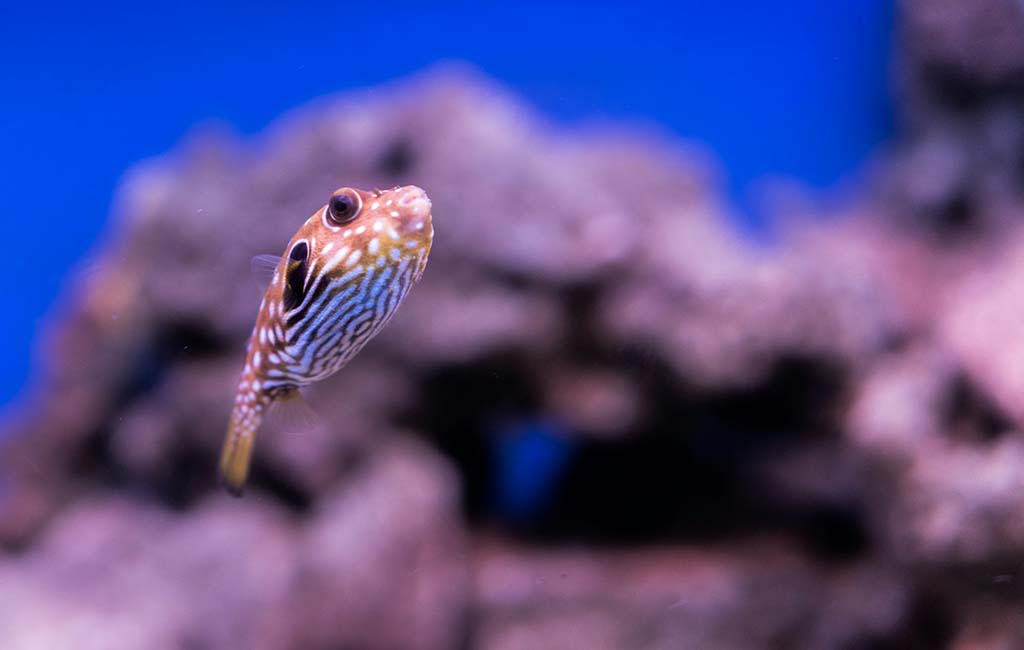
How the Fish Senses Collaborate
What Is the Fish Lateral Line System Actually Used For?
The applications are wider than most people realize. Blind cavefish navigate complete darkness using only lateral line input. Schooling species maintain centimeter-level spacing in a group of thousands based primarily on pressure wave information. Predatory fish lock onto the exact position of a struggling, vibrating prey item in murky water where vision is useless.
The fish lateral line system is, in practical terms, a full-body sonar array made of living tissue.
How the Fish Senses Collaborate
Discussing Typical Fish Behavior Scenarios
Consider a bass hunting in turbid river water:
- Smell detects trace organic compounds drifting downstream
- The lateral line picks up irregular pressure disturbances ahead
- Hearing registers low-frequency splashing
- Vision engages at close range as light conditions allow
- Taste and touch receptors in the mouth confirm the prey at the moment of strike
No single sense dominates. Each fills in the gaps the others miss. In schooling behavior, vision and the lateral line trade off depending on light availability. At night or in deep water, the lateral line system carries most of the navigational load.
This coordination is why fish in degraded environments (poor water quality, high noise pollution, and physical fin damage) become disoriented. Remove or impair one system, and the others cannot fully compensate.
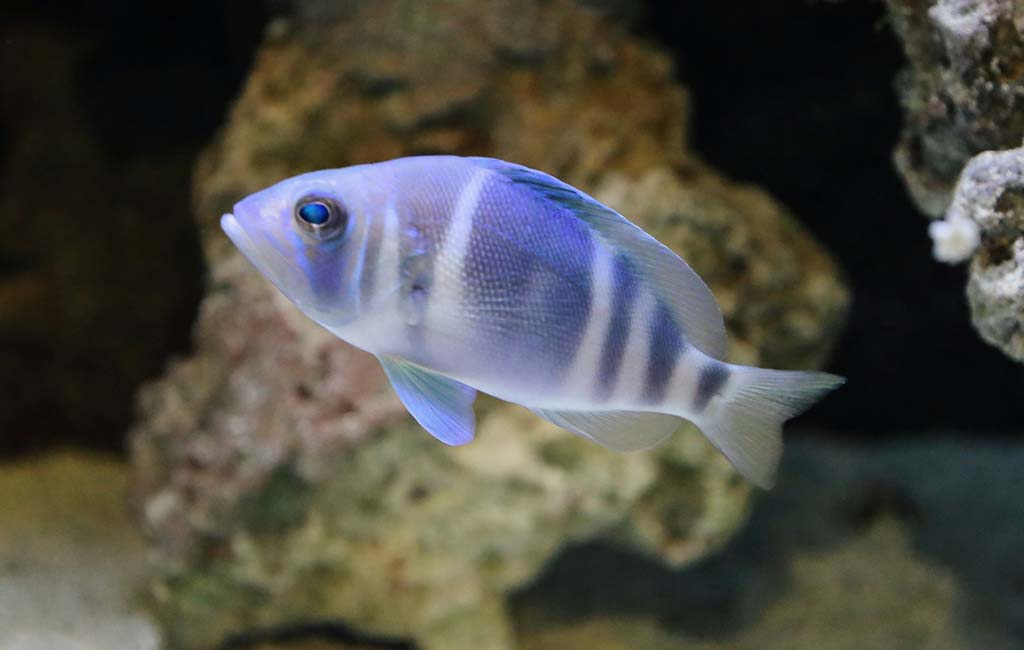
fish lateral line system
If You See Fish with Abnormal Eyes in the Tank
Cloudy eyes, visible fluid accumulation, swelling, or a persistent wet appearance around the eye region in an aquarium fish are not signs of crying. They are symptoms that need attention.
Start with water parameters. Test ammonia, nitrite, nitrate, and pH levels immediately. Elevated ammonia is a common driver of eye irritation and mucus buildup. Perform apartial water change of 25 to 30 percent and retest after 24 hours.
If the swelling is unilateral and the eye is protruding, pop-eye (exophthalmos) may be present. This often indicates a bacterial infection requiring antibiotic treatment.
Check tank mates. Aggressive fish will nip at the eyes. Inspect the affected fish for bite marks near the orbital area. Quarantine injured or visibly ill fish promptly to prevent cross-infection. Most eye conditions in aquarium fish are treatable when caught early. The key is reading the visual cues accurately and not attributing physical symptoms to emotional states.
Related Products



Leave a comment