
You need to do more than just feed and clean the water to maintain a clean and healthy aquarium. Water circulation is an essential aspect that is usually hidden, considering its significance. Correct flow of water imitates natural aquatic places and guarantees that heat, oxygen, and nutrients are distributed evenly. For this reason, engineers turn to cross-flow and fish tank water circulators. Using these tools keeps ecosystems in both freshwater tanks and aquariums healthy and supported by life.
Content Table
The hygger blog explains why water movement helps fish tanks, talks about the benefits of wavemaker pumps, especially the cross-flow models, includes fish tank water circulators, how to operate them efficiently, and provides useful tips to circulate tank water.
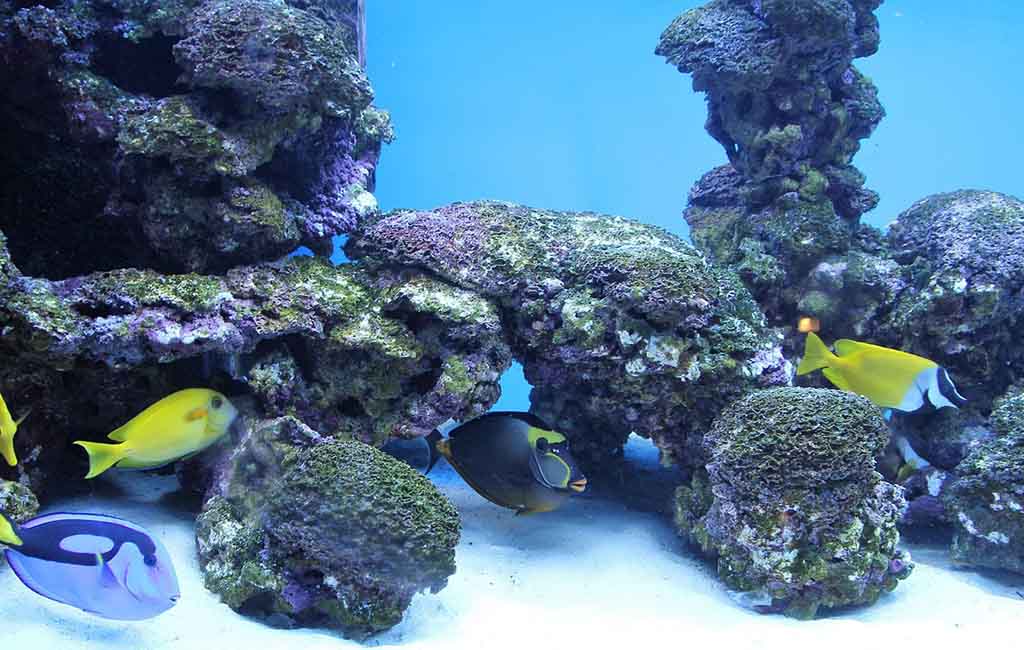
circulate the tank water
Why Do Your Fish Tanks Need Circulating Water?
Fish tanks are not open to the environment like rivers, lakes, or oceans, meaning water movement is not a natural occurrence. When circulation stops, the water in your tank can grow still, upsetting the temperature. Thus, resulting in oxygen-deprived areas that are dangerous to your aquatic pets.
Here are the key reasons your tank needs water circulation:
- Oxygenation: Stirring water causes bubbles on the surface, helping oxygen get into the water and carbon dioxide disappear.
- Waste Management: Waste Management: Leftover debris, uneaten foods, and fish scraps are moved along with the current to the filtration system.
- Consistent Water Temperature. These create warm places that Fish can seek out. With circulation, the temperature is similar everywhere in the tank.
- Nutrient Distribution: Pumps and water movement ensure nutrients get to all places in planted and reef tanks, benefiting corals and plants.
- Natural Behavior: There are fish and invertebrates that do well when currents in the aquarium copy their original environments.
The Roles of Circulation Wave Maker Pump in Aquariums
Wave maker pumps and other circulation pumps supply natural movements in water, giving your aquarium a closer look at nature. However, thanks to cross-flow technology, this step has gotten better than ever before.
What Does a Circulation Wave Maker Pump Do?
- Creates Gentle, Natural Flow: Regular powerheads tend to spout powerful jets of water. Wave makers help distribute the force slowly, so waves give a gentle and natural push to fish.
- Reduces Dead Zones: Because the water is continuously circulated by these pumps, no part of the tank becomes still enough for waste to gather.
- Supports Filtration: Filtration is improved by wave makers because they push algae, debris, and dirty water to the filters instead of just letting it float.
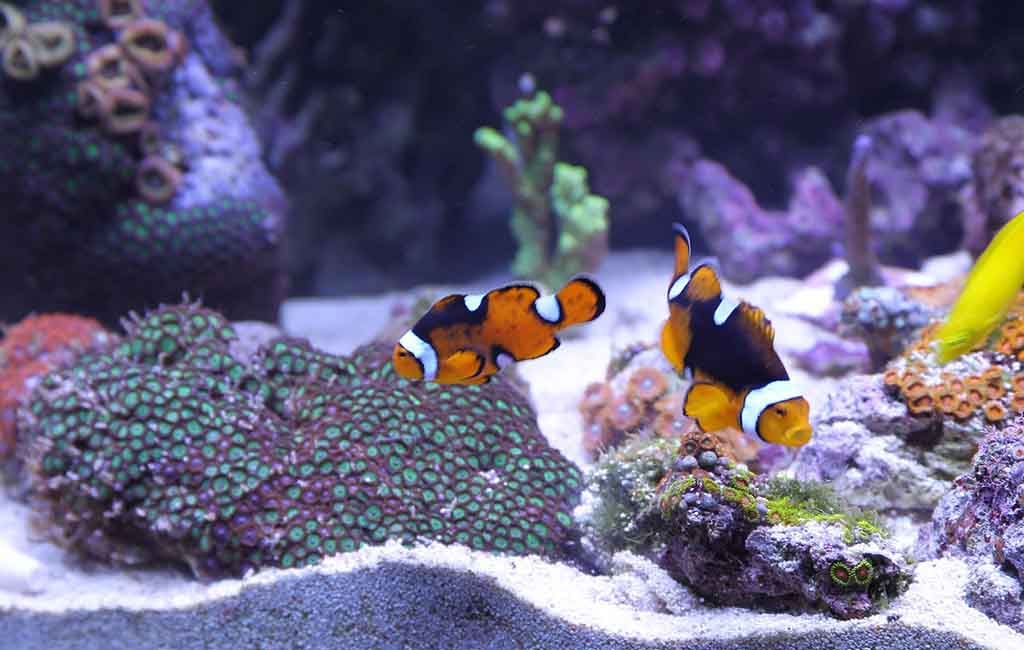
fish tank water circulator
What is Cross-flow Technology?
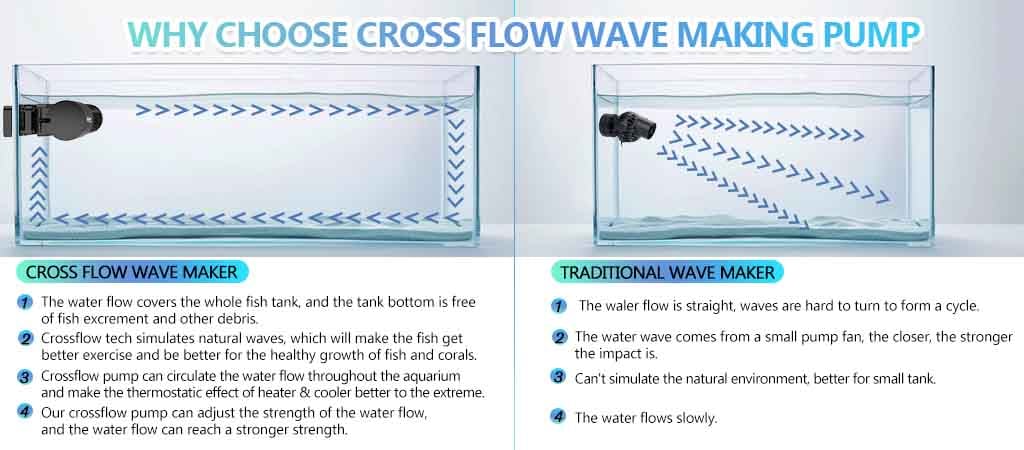
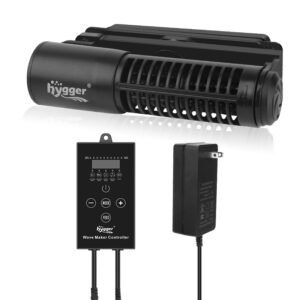
With cross-flow technology, all the water in the tank moves horizontally to ensure that the water is evenly circulated, not just in one recurring direction. Using this technology, the HG119 Wave Maker builds a water flow that looks and feels like a river current.
Benefits of Cross-flow:
- Uniform water movement across the tank
- Gentle yet effective water stirring
- Ideal for long tanks and reef systems
- Supports coral, plant, and fish health without stressing tank inhabitants
The pump in cross-flow pumps is a horizontal impeller that distributes water level straight and even across the tank’s entire width and depth.
When to Run the Fish Tank Water Circulator
You don’t need to operate your water pump nonstop at all times. If you have a certain kind of aquarium or fish, you can plan the schedule to match the natural daylight and nighttime periods.
Suggested Schedule
Freshwater Planted Tank:
- Daytime (8–12 hrs): While the lights are on, the circulation pump should be running to evenly place CO₂ and nutrients around your tank.
- Nighttime (Optional): If you have an air pump on at night, you might want to reduce or stop the wave maker to help reduce stress on your fish.
Reef or Marine Aquarium:
- 24/7 Operation: Consistent water movement needs to happen 24/7 for coral and marine life. However, since many pumps have night mode options, you can program the pump to use those in the evening.
Community Tank with Slow Swimmers (e.g., bettas or guppies):
- Light to Moderate Daytime Flow: Avoid overpowering the tank with current. Use intermittent timers or a low-speed setting.
- Nighttime: Turn off or reduce the flow to give fish a rest period.
Using timers or a controller, you can customize the schedule to simulate tidal patterns or allow rest periods for your fish.
Circulation Fish Tank Water Flow
Circulation Fish Tank Water Flow Direction
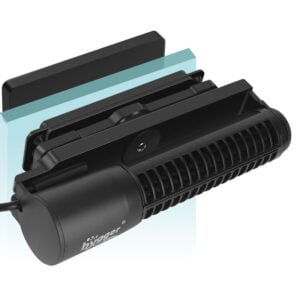
The hygger HG119 wave maker includes a movable head and produces forceful cross flow. Helping your water move around the aquarium evenly. Make sure the filter is installed the right way and with the right water current. Thus, it helps ensure good oxygen levels, cleaning, and natural swimming for your fish.
Step-by-Step Guide to Circulating Water:
- Install the Pump Head Horizontally: Set up the pump horizontally so that the outlet is arranged along the tank’s length. It forms a crosscurrent moving horizontally, which is like the natural flow of water in our oceans and rivers.
- Rotate the Pump Head to Adjust Direction: Manually change the Pump Head’s position to send water toward the top or the bottom.
- Upward Tilt: Promotes surface agitation for better oxygen exchange.
- Downward Tilt: Helps lift debris from the substrate to the filter intake.
- Straight Across: Maintains an even, laminar flow throughout the midwater column.
- Avoid Direct Flow at the Substrate or Decorations: Make sure that the water is not pushed strongly towards the decorations or substrate, or it might upset plants and spread debris.
How to Set the Suitable Water Flow Direction for Your Tank
Different tank setups and fish species require different flow intensities and angles. The HG119 allows you to fine-tune both:
For Shallow or Planted Tanks:
- Flow Level: Low to medium (Level 1–4)
- Direction: Horizontal or slightly angled down
- Purpose: Gentle current to avoid disturbing plants while circulating nutrients
For Community Freshwater Tanks:
- Flow Level: Medium (Level 5–7)
- Direction: Across the middle of the tank
- Purpose: Maintain a healthy, steady current for mixed species
For Reef or Goldfish Tanks:
- Flow Level: High (Level 8–10)
- Direction: Across the top or bottom, depending on waste buildup
- Purpose: Stronger cross flow to prevent dead zones and improve oxygenation
Adjust flow strength using the controller on your wave maker, especially when introducing new fish or after maintenance.
Using a Water Circulation Pump
Notice for Using a Water Circulation Pump
Caring for circulation pumps will protect your water life. Making these preparations keeps your water circulation setup safe and advantageous for your pet.
Important Usage Notices:
- Avoid Overpowering: Choose a pump that matches your tank size. Having excessive water flow might cause distress for fish and disturb the planted plants.
- Secure Mounting: Use strong suction or magnetic mounts so that the pump does not fall from the wall.
- Regular Maintenance: Maintain your underwater drone by removing any dirt from the impellers and intake grills every 2–4 weeks.
- Avoid Direct Flow on Inhabitants: Don’t aim the output directly at slow-moving fish or delicate coral.
- Use in Conjunction with Filters: Circulation pumps are not substitutes for filtration but rather supplements.
- Monitor for Noise or Vibration: Unusual sounds can indicate worn parts or debris inside the pump.
- Check for Compatibility with Aquascaping: Ensure rocks, driftwood, or plants don’t block or interfere with the flow pattern.
- Power Safety: Always unplug the pump before moving or servicing. Use a drip loop in the power cord to prevent water contact.
To Summarize
Water moving through the aquarium is essential for its health. In a good flow system, oxygen levels and water temperature are controlled, waste removal occurs, and nutrients are shared with the fish. Pumps with cross flow technology, like the hygger 119, are important for establishing a safe and stable home for fish, corals, and underwater plants.
Here’s a recap of what we’ve covered:
- Circulating water prevents stagnation and promotes oxygen exchange.
- Wave maker pumps simulate natural flow and enhance tank cleanliness.
- Cross flow technology delivers a wide, even current across the tank.
- Adjusting the running schedule based on tank type helps mimic natural rhythms.
- Proper flow direction with pumps like HG119 ensures balanced movement.
- Follow best practices and safety measures for long-term success.
Knowing how water flows in your tank benefits both amateurs and experts. A high-quality wave maker that has cross flow will help create an exciting environment that your fish will enjoy.
Related Products


Leave a comment