
If you have herbivore fish, you need to learn about a plant-based diet. In the following, you’ll find everything. You will learn what a plant-based diet is, and you can feed your kitchen vegetables to the aquarium. You will also learn how to prepare them, the feeding frequency, a complete weekly diet plan, and some suggestions. Moreover, at the end, you’ll find a form to inspect your fish behavior regarding the diet plan.
Content Table
What is a plant-based diet?
What Is a Plant-Based Diet?
A plant-based diet for aquarium fish that comes from plants. It includes algae, leafy greens, peas, and other vegetative foods that are available in processed form. However, plant-based products do not always contain 100% plant-derived ingredients. A food that contains about 60 to 80% plant based material is also counted as a plant-based diet.
Main Types
Here are some of the main plant-based diets that you can feed your fish in your tank.
| Category | Examples |
| Algae | ● Spirulina
● Nori ● Green algae wafers |
| Leafy greens | ● Spinach
● Romaine lettuce ● Kale ● Swiss chard |
| Vegetables | ● Zucchini
● Cucumber ● Peas ● Broccoli ● Carrots |
| Fruits | ● Small Mango pieces
● Small melon pieces |
| Plant-based pellets and flakes | Specially made fish foods with spirulina or plant protein |
plant based diet
Natural Vegetables for Aquarium Fish
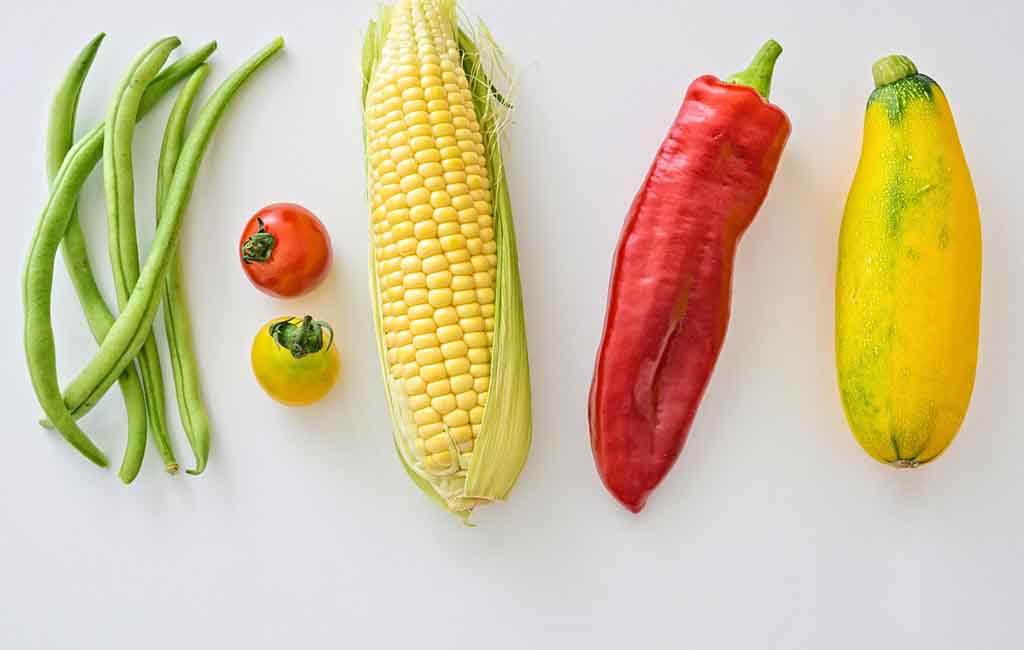
Herbivore fish are quite entertaining to raise as they require vegetables as part of their diet. You can feed them many such vegetables that are already present in your kitchen. You just prepare and feed your fish. However, select the vegetable according to the fish’s type. Here is a table to help you understand which vegetables are suitable for which fish species. How to prepare them, and the feeding frequency.
| Vegetable | Best For | Preparation | Feeding Frequency |
| Cucumber | Plecos | 1. Slice thin
2. Blanch 30 sec 3. Weigh it down |
Weekly, 2 to 3 times |
| Cichlids | |||
| Goldfish | |||
| Snails | |||
| Zucchini | Plecos | 1. Slice into rounds
2. Blanch lightly in hot water |
Weekly, 2 to 3 times |
| Herbivore fish | |||
| loaches | |||
| Peas | Goldfish | 1. Boil briefly
2. Peel skin 3. Mash or cut in half |
Weekly, 2 to 3 times |
| Guppies | |||
| Bettas | |||
| Spinach | Tropical fish | 1. Blanch 5–10 seconds in boiling water
2. Rinse |
Weekly 1 to 2 times |
| Livebearers | |||
| Romaine Lettuce | Goldfish | 1. Blanch lightly
2. Remove tough stems |
Weekly, 2 to 3 times |
| Cichlids | |||
| Catfish | |||
| Carrots | Goldfish | 1. Boil or steam until soft
2. Cut into small pieces |
Once per week |
| Koi | |||
| Plecos | |||
| Broccoli | Goldfish | Steam or boil florets for softening | Once per week |
| Cichlids | |||
| Kale | Herbivore fish | 1. Blanch 10 seconds
2. Cut it into small pieces |
Weekly 1 to 2 times |
| Snails |
Preparation
Here is a step-by-step procedure to safely prepare vegetables for your fish.
- Thoroughly wash the vegetables with running water.
- Place the vegetables in boiling water for 1-3 minutes.
- Just after that, cool them in cold water.
- Cut it into small pieces that can fit into the fish’s mouth.
- Put these chopped vegetables on a clean rock and place it in the tank.
Vegetables for aquarium fish
Plant-Based Food Options
Other than kitchen vegetables, there are numerous plant-based diet options. These foods are specifically prepared for the aquarium fish. Here is a table about the type, main ingredients, and suitability for the fish.
| Food Type | Main Ingredients | Best For |
| Spirulina Flakes | ● Spirulina algae
● Kelp |
● Tetras
● Guppies ● Mollies |
| Algae Wafers | ● Spirulina
● Plant proteins |
● Plecos
● Snails ● Loaches |
| Nori / Dried Seaweed | Marine algae | ● Tangs
● Rabbitfish ● Goldfish |
| Herbivore Pellets | ● Wheat germ
● Plant extracts |
● Cichlids
● Goldfish ● Koi |
| Kelp & Seaweed Sticks | ● Dried seaweed
● Algae |
Most herbivore fish |
| Pea-Based Pellets | ● Green peas
● Vegetable protein |
● Goldfish
● Betta ● Gourami |
Feed a Plant-Based Diet for Aquarium Fish
How Often to Feed a Plant-Based Diet for Aquarium Fish
Overeating can lead to various problems in a tank. Therefore, it is important to feed your fish in optimal quantities. Here are some general guidelines to avoid overeating.
- Feed once or twice daily.
- Feed only the quantity that the fish can finish within 2 to 3 minutes.
- Remove the leftover food after a few hours to avoid the problem.
- Give your fish fast once a week.
Variations in diet help the fish to keep their interest in eating. So, feed a vegetarian diet to omnivore and carnivore species as well. Here is an optimal feeding frequency for fish
| Fish Type | Plant Feeding Frequency |
| Herbivores (Plecos, Mollies) | Daily |
| Omnivores (Guppies, Goldfish) | 3–4 times per week |
| Carnivores | Occasionally |
In herbivorous fish tanks, if you have a famous species, here is the vegetative feeding detail for your fish.
Plant-Based Food Options
| Fish Type | Plant-Based Food % | Times Per Day | Best Plant Foods |
| Goldfish | 70–80% | 2 times | ● Peas
● Lettuce ● Spirulina flakes |
| Betta Fish | 20–30% | 2 times | ● Peas (for constipation)
● Blanched spinach |
| Pleco (Catfish) | 80–90% | Once daily (evening) | ● Zucchini
● Cucumber ● algae wafers ● Nori |
| Guppies & Mollies | 50–60% | 2 times | ● Spirulina flakes
● blanched lettuce |
| Cichlids (Herbivore) | 60–70% | 2 times | ● Kale
● Broccoli ● Herbivore pellets |
| Snails & Shrimp | 80–100% | Once daily | ● Blanched veggies
● Algae wafers |
Making a Plant-Based Diet Plan for Your Tank Inhabitants
Now, you are clear about what a plant-based diet is, what feeding options you have, and feeding frequency. It’s time to make a thorough diet plan to keep your fish healthy and active. Follow the steps.
Know Your Fish
Not all fish eat plant-based diets. So you need to know how many fish can eat plant-based food. Here are general categories on a diet basis.
- Herbivores (eat a mostly plant-based diet)
- Omnivores (eat a meaty and plant-based diet)
- Carnivores (mostly eat a meaty diet)
Making a Plant-Based Diet Plan
Weekly Schedule
Once you have complete information about your fish, it’s time to build a detailed weekly schedule. It is always better to keep various diet options. Here is a weekly plan for considering goldfish, plecos, and guppies in a tank.
| Day | Morning Feed | Evening Feed | Notes |
| Monday | Spirulina flakes | Algae wafers (for pleco) | Normal feeding day |
| Tuesday | Blanched zucchini slices | Spirulina pellets | Remove zucchini after 24 hrs |
| Wednesday | Peas (peeled & halved) | Algae wafers | Good for digestion |
| Thursday | Fasting Day | No food | Helps water quality & digestion |
| Friday | Nori sheet (clip to glass) | Herbivore pellets | Nori can stay for 12–24 hrs |
| Saturday | Blanched spinach | Spirulina flakes | Remove spinach by Sunday morning |
| Sunday | Blanched cucumber slices | Algae wafers | Prep next week’s veggies |
Inspection and Adjustment
After 2 to 3 weeks, look at the tank and answer the following yes/no questions. If it is yes, stick with the plan; otherwise, make adjustments. If fish need medical attention, provide it.
| Observation | Yes | No |
| Fish are active and swimming normally | ☐ | ☐ |
| Colors look bright and vivid | ☐ | ☐ |
| Belly area looks full but not bloated | ☐ | ☐ |
| No leftover food sitting at the bottom after a few hours | ☐ | ☐ |
| Water stays clear and clean | ☐ | ☐ |
| Fish are not fighting over food (everyone is getting enough) | ☐ | ☐ |
Plant-Based Diet Plan for Your Tank Inhabitants
Follow This Plan and Adjust as Needed
Now, it’s time to take action. Know about the type of fish, exact fish species, diet preference, and check it against what is a suitable plant-based diet for it. Once you know it completely, prepare the vegetables that your fish prefer to eat. Wash it, put it into boiling water, cool, chop, and feed an optimal quantity to the fish.
Follow the diet plan and start with fewer vegetables, 1 or 2. Inspect the behavior with the help of the observation form. Do the dietary adjustments according to your tank. There is no universal diet plan, as each tank has its own microhabitat. So, keep on trying and never stop learning and enjoying.
Related Products


Leave a comment