
Have you ever experienced the cream or pinkish cauliflower heads bump on your fish? And over time, you have noticed that it disappeared? If yes, it is lymphocystis fish disease. Lymphocystis in fish is to some extent. How common it is and what it is worth learning are worth knowing. Moreover, the causes behind this mysterious lymphocystis fish disease are discussed in the following. Moreover, you will also learn about how to treat lymphocystis in aquariums.
Content Table
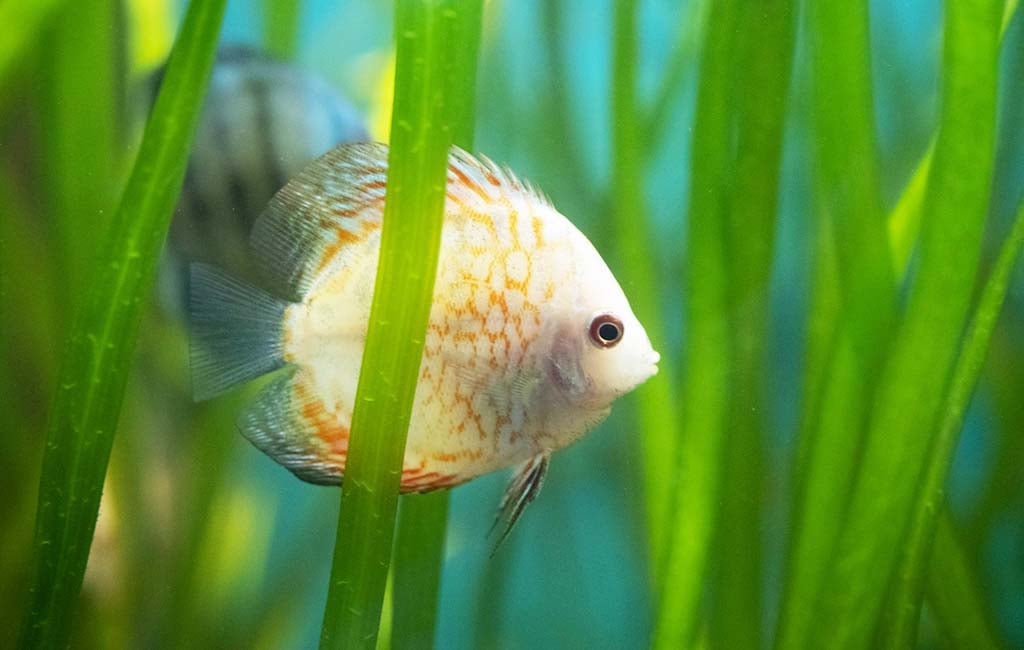
Lymphocystis fish disease
Lymphocystis Fish Disease
Lymphocystis is a viral disease caused by Lymphocystivirus. This disease is found in both saltwater and freshwater fish species. This virus belongs to the Iridoviridae family. This virus attacks connective tissue cells in fish. Due to this, you’ll observe abnormal cell growth. Individual cells grow 50,000 to 100,000 times their original size.
It starts as something very normal. After some time, the affected sites appear white, grey, or pink in a cauliflower shape. It can affect any part of the fish; however, it usually affects the following body parts.
- Fins
- Tail
- Skin
- Mouth
- Gill covers
It just affects the body shape but usually does not prove fatal. Fish can live for years with abnormal bodies. It is not limited to a few species as it is found in more than 125 different fish species. Here are some famous species that are affected by this virus.
- Cichlids (e.g., angelfish, oscars, discus)
- Gouramis
- Bettas
- Flatfish (like flounder)
- Wrasses and other marine fish
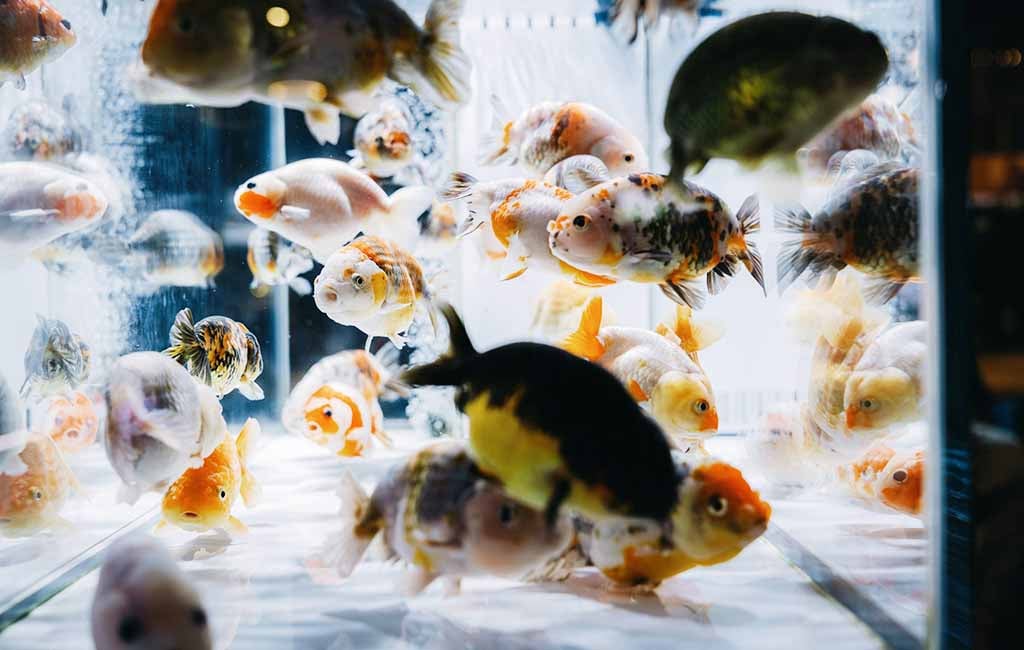
Lymphocystis in fish
What Causes Lymphocystis in Fish?
As mentioned, it is caused by a DNA virus, Lymphocystivirus. It does not affect the fish even when it is present in the tank. However, it affects the fish when they come into direct contact with the affected fish. Here are several other causes and triggers that cause Lymphocystis.
| Cause / Trigger | Explanation |
| Stress | Stress reduces immunity and makes them vulnerable. |
| Poor water quality | Compromised water conditions cause stress on fish and make them vulnerable to this. |
| Sudden water temperature change | Causes stress that leads to this viral disease. |
| New fish introduction | If affected fish are introduced, any fish that comes in touch will be affected. |
| Physical injuries | Injuries from fights, rough handling, or sharp tank elements serve as entry points for the virus. |
| Infected Equipment | This virus can live on the aquarium equipment. Any wound, stress, or other aspect directly makes them vulnerable. |
Is Lymphocystis Contagious to Other Fish in One Tank?
Yes, Lymphocystis can be contagious, but not like ich (white spot) or velvet. It spreads slowly. Here are some conditions under which lymphocystis can affect other fish.
- Direct contact of a fish with the affected area of the affected fish.
- Water contains the virus.
- Healthy fish share the same plants, decorations, or equipment as affected fish.
- Biting and aggression that cause cuts. The cuts are vulnerable to this disease.
However, as said, it does not affect other fish easily. Any fish with strong immunity in optimal water conditions and a stress-free environment is usually safe. If you find any affected fish, remove them from the tank, change the water, and sanitize the equipment. Other fish will be fine.
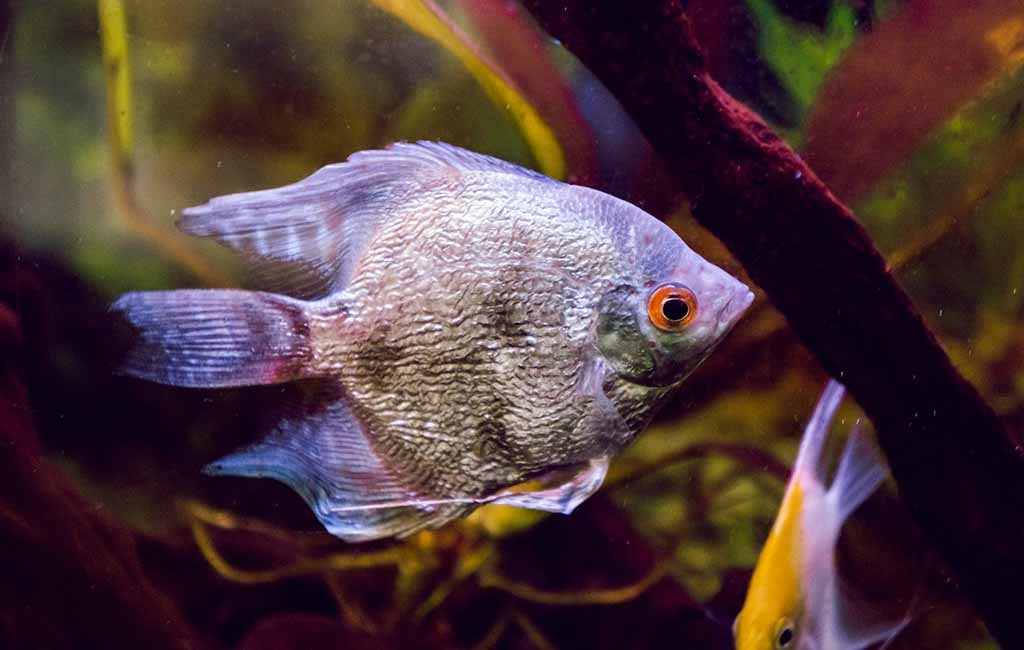
treat lymphocystis in aquariums
Why Not Treat Lymphocystis Fish in Aquariums
There is no direct treatment for this disease, as no antibiotic or antiparasitic medication cures this viral disease. It is a self-limiting disease, and the immune system helps to cure it. However, you need to build a support system, which will strengthen the fish’s immunity, and they will become healthy.
| Care Step | Purpose |
| Improve water quality | Reduces stress |
| Provide high-quality food | Strengthens immunity |
| Maintain a stable temperature | Prevents additional stress |
| Reduce aggression | Avoids injury |
| Regular water changes | Keeps the environment clean |
| Quarantine affected the fish | Limits the spread of the virus and helps the affected fish to recover in an improved ecosystem |
Does Lymphocystis in Fish Go Away on Its Own?
Yes, it goes away over time in optimal conditions, as it is a self-limiting disease. Recovery time may vary from a few weeks to 2 or 3 months.
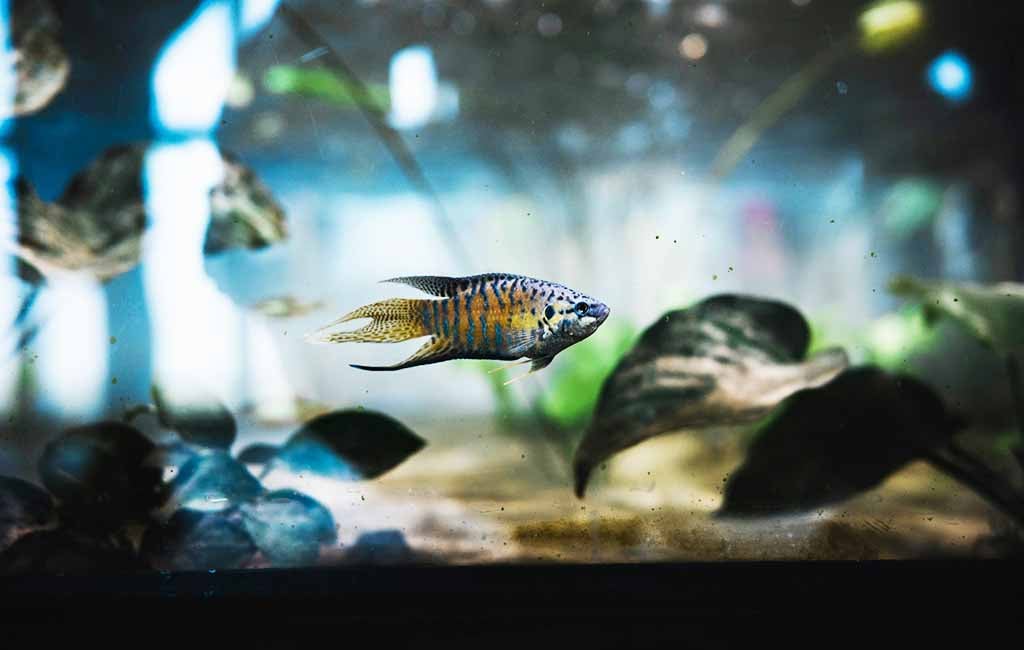
Prevent Lymphocystis Fish Disease
Keep an Eye on Lymphocystis Fish Disease
Although it is not a fatal or wavy disease. However, you need to pay attention to avoid any inconvenience. Here are some monitoring tasks and their frequency to prevent this disease or for timely management.
| Action | Frequency |
| Observe fish behavior | Daily |
| Check growth size | Weekly |
| Test water parameters | Weekly |
| Perform water changes | 10–25% weekly |
Preventations
It is saying that prevention is better than a cure. Here are the precautions to completely avoid this disease.
Water Quality
- Maintain ammonia and nitrite levels at 0 ppm.
- Maintain nitrate level less than 20 ppm.
- Avoid temperature fluctuation, as you can use an LCD quartz heater to keep a consistent temperature.
- Change 25 to 30% tank’s water weekly.
Avoid Overcrowding
Avoid overstocking. It will cause
- Stress
- Huge bio-load
Balanced Diet
Always feed your fish a healthy diet in optimal quantity. It will help to improve fish immunity. Strong immunity helps to avoid this self-limiting disease. Here is what a balanced and healthy diet looks like.
- High-quality flakes or pellets
- Frozen foods
- Occasional live foods
Quarantine New Fish
Always quarantine any new fish for 2 to 4 weeks. Completely check their behavior. If they require any treatment, do that. After that, add the fish to the master tank.
Self-Limiting Disease
The Astonishing Self-Limiting Disease
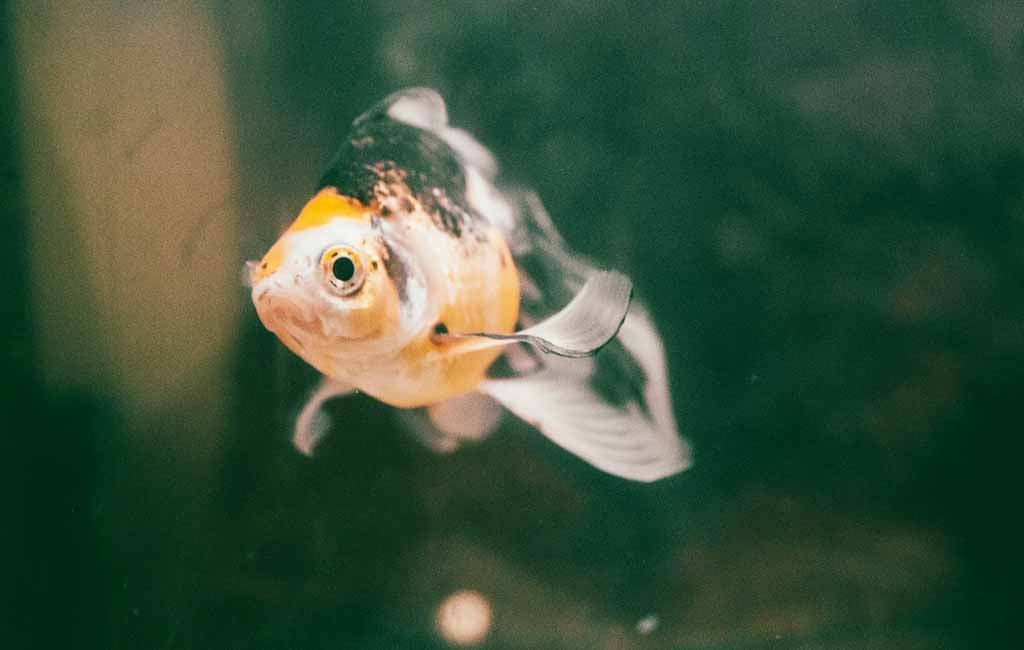
At first glance, lymphocystis fish disease appears to be abnormal. However, lymphocystis in fish is not as fatal as it appears. It is a self-limiting disease. You just need to focus on improving the fish’s immunity, and you will see the affected fish healthy in a few weeks to a couple of months. Improving water quality, maintaining temperature, avoiding overstocking, and ensuring optimal food quality treats lymphocystis in aquariums.
Related Products

Leave a comment