
Lighting of a fish tank does not only imply beauty. It is crucial to the health of aquatic life. Be it fish-only or planted aquariums, right lighting emulates natural conditions. Submersible LED lights have gained popularity as one of the latest kinds of lighting.
Content Table
What is a submersible LED light? These lights are power-efficient and are designed in such a way that they suit the needs of the water. So, when is the right time to choose a submersible LED light as compared to the others? This hygger blog will teach you how to use and how safe submersible LED lights are, their lifetime, and their best use in your tank.
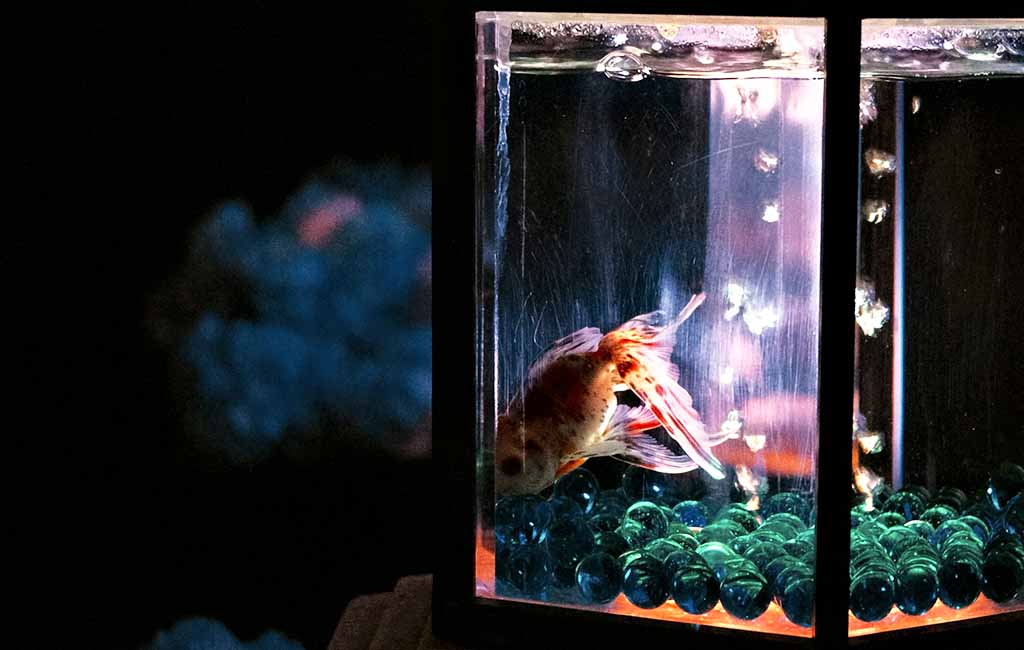
What is a submersible LED light
What Is an Aquarium Submersible LED Light?
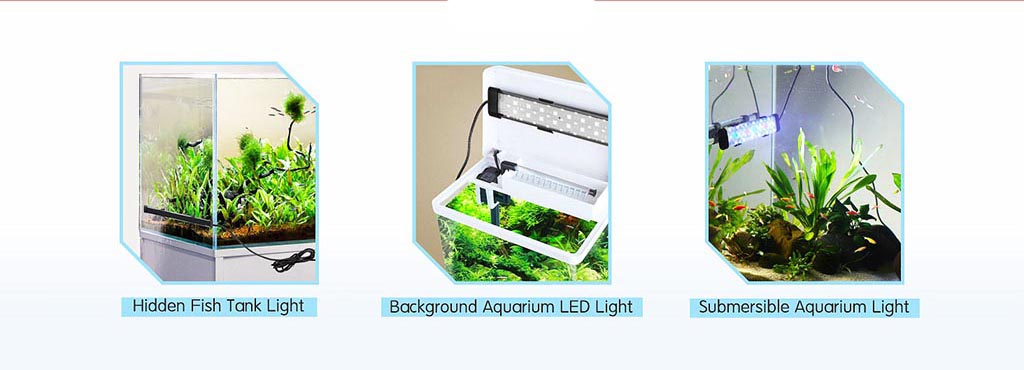
Submersible LEDs are submersible light fixtures that are mounted on the interior sides of aquariums. They are used in contrast to overhead fixtures, as they can operate below the water line, providing a special angle of light, with improved coverage. They are mostly employed in small and medium-sized tanks, either as an ornament or for functional characteristics.
HG135 hygger Dunker Pro Submersible Aquarium LED Light Review
The HG135 Dunker Pro Submersible Aquarium LED Light is a prime example of this technology. It is a five-row LED chip with a mix of white, RGB, blue, red, and green lights. This spectrum system simulates natural sunlight, and it adds color to your aquatic pets and plants.
The working principle of submersible LED lights is related to the use of semiconductor diodes, which generate light when current travels through them. The HG135 is also IP68 waterproof; thus, the lamp might be used underwater or even temporarily placed on top of the tank cover. The light cannot get damaged by steam or water, and thus it is quite dependable and versatile.
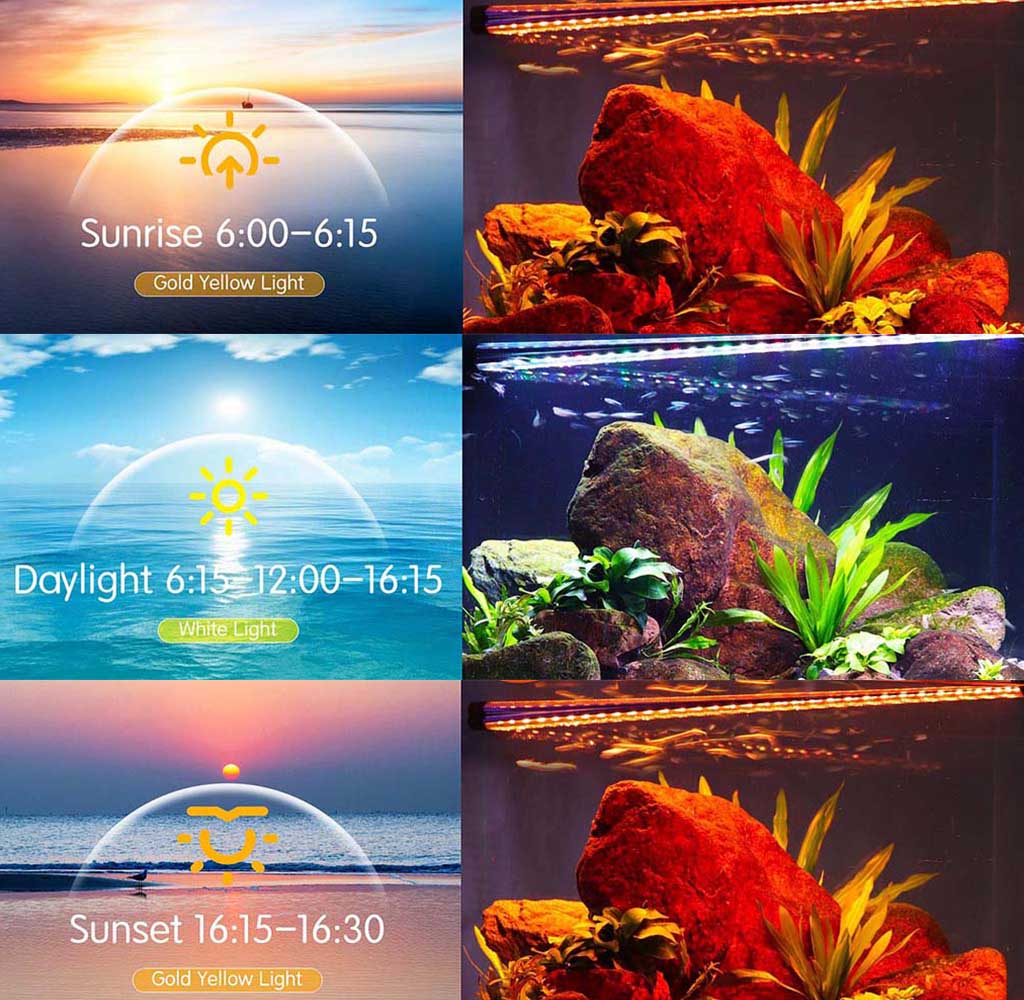
Its 24/7 natural light simulation mode is changing the game for many hobbyists. It will automatically change to sunrise, daylight, sunset, and moonlight as the day and the night change. This lighting cycle aids in stress reduction in fish and in upholding the biological cycle of vegetation.
Are Submersible LED Lights Safe for Fish?
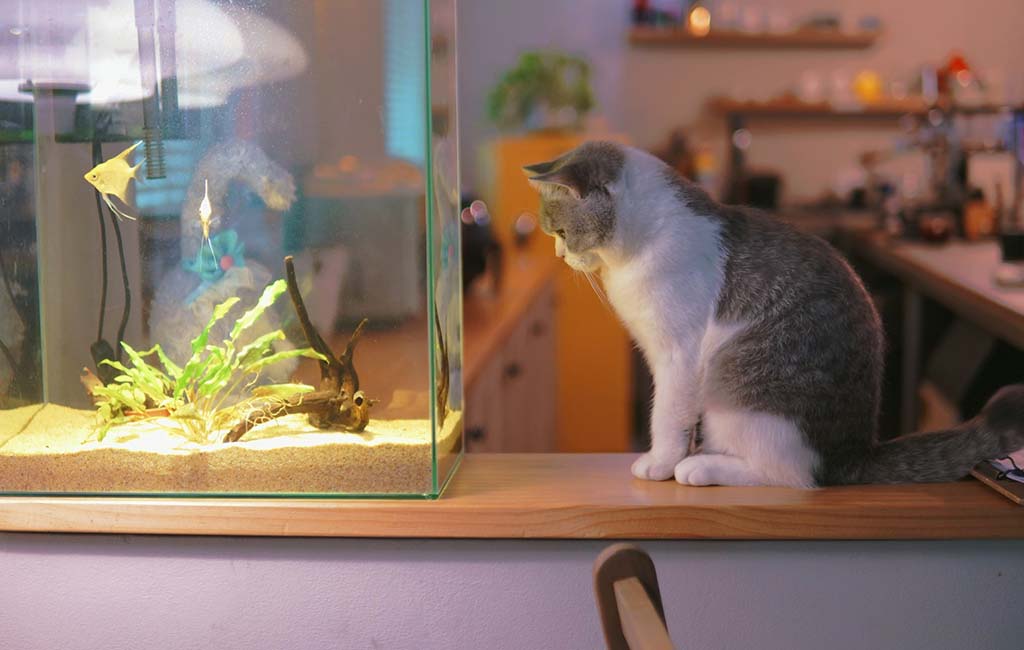
Every aquarium owner is very concerned about safety. You prefer a light that is efficient but not annoying to your aquatic life. Thankfully, submersible LED lights like the hygger Dunker Pro are built with safety in mind.
This unit is designed with a robust waterproof seal (IP68), preventing electrical hazards underwater. Unlike traditional fluorescent lights, it emits very little heat, reducing the risk of temperature fluctuations. This means your fish won’t suffer from burns or overheating caused by close-range lighting.
Are submersible LED lights safe for fish?
Another safety advantage is the smooth transition between light modes in the 24/7 cycle. Sudden changes in lighting can stress fish or disrupt their natural habits. The HG135 avoids that by mimicking gentle changes in light, allowing fish to adapt gradually.
LED lights also emit a steady beam without flickering. Flickering lights can irritate fish or lead to unusual behavior. With the high CRI (Color Rendering Index) of 89, your tank looks vivid while remaining comfortable for aquatic residents.
How Long Do Submersible LED Lights Last?
A significant advantage of submersible LED lights is that they have a very long life. HG135 has a 50,000-hour lifetime. This is close to six years of illumination, given a 24-hour usage daily!
Maintenance should be observed to optimize your LED light service life. Clean the light occasionally with a piece of soft cloth to get rid of algae on the light or mineral deposits. Never clean with the unit turned on, as this may cause electric shock.
It is not recommended to use external timers or smart plugs with the HG135 because they can interfere with the internal memory. Rather, use the built-in timer and brightness levels that ensure operations are more stable. Use a steady power supply to maintain your personalized settings in the device.
The right use even incorporates the observation of degrees of brightness. When the light is on the maximum brightness mode all the time, its lifespan would shorten a little. Customize it to the requirements of your tank and turn down brightness where possible.
HG135 24/7 mode
When Does Your Tank Need a Submersible LED Light?
One might think that not every aquarium requires underwater lights; however, there are some occasions when using them would be best. Such are some of the signs that your tank needs one:
1. Small to Medium Tank Size
You have LED submersible lights, and these are tiny and fit up to 40-gallon tanks. Its compact footprint will help your tank to appear clean since it does not take up too much space, and it will additionally provide high-quality lighting.
2. Desire for Full Lighting Control
The DIY mode of the HG135 is perfect when you want manual control over the brightness, the colors, and the duration of the light. This versatility gives you the ability to switch the tank in terms of personality and lighting intensity according to the fish and plant requirements.
3. Need for Natural Light Simulation
The 24/7 is stress-free when there are sensitive plants/fish in tanks. The simulated sunrises and sunsets modes make recreating natural biological rhythms easier and prevent any sudden alterations of light from occurring.
4. Planted Aquariums
Specific wavelengths of light allow plants to perform and undertake productive photosynthesis. Submersible LED light gives a balanced, full-spectrum plant growth and sustains healthy leaves, colorful plants, and roots. It also suits the carpeting plants or moss tanks.
5. Visual Enhancement
A submersible RGB-controlled light is quite suitable when you want to bring out the color of your fish or show off beautiful cinders. You can apply various colors to bring out certain colors in your fish, or you can tone down some colors to suit your tank decorations.
6. For Flexibility
Additionally, the flexibility of submersible LED lighting in the process of creating underwater-themed designs is also more impressive. Especially due to the possibility of using a range of decorative elements, including driftwood or rock caves of rocks. The opposite is true; large tanks or reef aquariums may necessitate brighter lights when overhead lighting can prove to be most convenient.
But submersible LEDs have a more flexible design, better cosmetic appeal, and greater potential uses for the home hobbyist, with standard-sized freshwater set-ups.
aquarium submersible LED light usage
Tips for Using Submersible LED Lights
These handy tips can help you install and operate your submersible LED light to get the best performance and safety:
1. Installation
- Clean the inner glass on which you are going to put the light.
- Fasten it by punching the supplied suction cups.
- Adjust the angle to get an even spread of the light.
- It should be put either at the bottom, or side, or the back of the tank.
2. Power Connection
Plug the machine into a dry AC 100-240V. The lighting will boot up in default. You need to make sure that the plug remains dry and do not use any extension cord where they are not needed.
3. Customizing Settings
The wired controller can be used to cycle through settings in the timer settings (4h, 6h, 8h, 10h, 12h). To increase or decrease the light level between 10 and 100 percent, press and hold many times the brightness (+ / -) buttons. Hold down the button in the color field and select one of 9 solid colors, or press the cycling.
4. Using Natural Light Cycle
As a beginner, you want to get acquainted with the 24/7 mode because it will make the light take care of the day/night shift. This would be ideal in case an individual wants to condition fish and prevent light shock.
5. DIY Mode for Personalization
Once you are used to it, move on to the DIY mode. Choose specific brightness, color, and time according to your interest in aquascaping or breeding.
6. Avoid External Timers
There is also a possibility that the external timers or smart plugs may reset its internal memory of the HG135. Plug in the light all the time to keep your preferences.
7. Observe Fish and Plants
If your fish seem lethargic, hiding often, or if algae growth spikes, reassess the brightness and light schedule. Make gradual adjustments rather than sudden changes.
8. Routine Cleaning
Clean the unit by wiping the light casing with a soft cloth after every two to four weeks by unplugging the unit. Abrasion should also be avoided as the seal gets damaged or scratched.
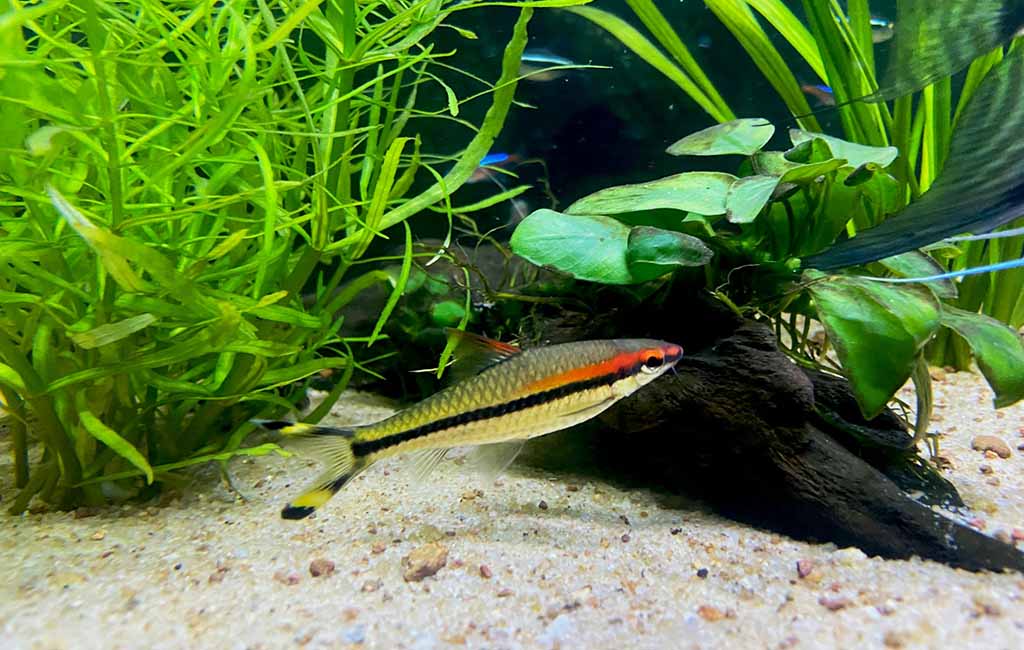
Using Submersible LED Lights
Final Insights
The HG135 Dunker Pro Submersible LED Light has the right mix of functionality, safety, and good looks in a clever package. Whether you are an entry-level aquarist or an experienced hobbyist, this submersible light is capable of providing the features required to have a healthy and attractive tank.
It is entirely flexible because of its great longevity, imitation of light with natural light, and individual control selections. More importantly, it makes your water animals live in a comfortable and stable, light environment. If your tank fits the profile, a small to medium setup needing reliable full-spectrum light. Then a submersible LED like the HG135 is not just a good choice; it’s the best one.
You’ll enjoy a stunning aquarium environment that both you and your aquatic pets will love with proper installation, observation, and occasional maintenance.
Related Products


Leave a comment