
Every responsible aquarium owner eventually faces the challenge of dealing with sick or injured fish in their collection. A small hospital aquarium provides a dedicated space where you can isolate and treat affected fish away from others. Setting up this essential piece of equipment doesn’t require advanced expertise or a significant financial investment to accomplish.
Content Table
This comprehensive hospital aquarium building guide will walk you through everything you need to know about creating an effective hospital tank. Understanding the proper setup and maintenance protocols can make the difference between successful recovery and unfortunate loss.
Let’s explore the complete process of building and maintaining this crucial component of aquarium ownership together

What Is a Quarantine Tank
Understanding the Basic Concept
A quarantine tank is a separate aquarium that’s specifically designed to temporarily house fish away from the main display. This specialized setup allows aquarium owners to carefully observe new fish before introducing them into established tank communities. It also provides a controlled environment where sick or injured fish can receive treatment without risking other inhabitants.
The quarantine tank typically features minimal decorations and straightforward filtration systems to facilitate easy cleaning and close observation. Most experienced hobbyists use smaller tanks ranging from 10 to 12 gallons for this particular quarantine purpose.
The intentionally simple setup enables quick medication administration and allows for easy adjustments to water quality parameters. This fundamental tool represents one of the most important investments any serious aquarium keeper can make.
Do You Need a Small Hospital Aquarium for Your Tank
The Essential Roles of a Hospital Tank
The roles of a quarantine tank extend well beyond the simple task of isolating visibly sick fish. New fish purchases can carry hidden parasites or diseases that aren’t immediately apparent during the initial selection process. A properly maintained hospital tank allows you to observe new arrivals for 2 to 4 weeks. When existing tank inhabitants begin showing signs of illness, immediate isolation prevents potentially devastating spread to healthy fish.
Fish that have been injured by aggressive tank mates also benefit significantly from temporary separation during recovery periods. Breeding programs frequently utilize quarantine tanks to protect vulnerable fry from adult fish and various environmental threats. If you maintain any type of tropical or saltwater aquarium, a hospital tank becomes practically essential equipment.
The relatively modest investment in a proper quarantine setup can save you from experiencing catastrophic tank-wide outbreaks. Building one becomes necessary whenever you plan to add new fish or notice health issues developing.

The Dos and Don’ts of Hospital Aquarium Setup
What You Should Do
Building a small hospital aquarium requires thoughtful planning to ensure it effectively serves its critical intended purpose.
- You should select a tank size that’s appropriate for the largest species you keep, typically between ten and thirty gallons.
- Install a gentle sponge filter or air-driven filtration system to avoid creating unnecessary stress for compromised fish.
- Do include a reliable heater to maintain stable temperatures that closely match your main tank’s established parameters.
- Also, keep decorations to an absolute minimum, with only one or two simple hiding spots available for security.
- Also, make sure the biological filter cycles completely before you ever introduce any fish for treatment or observation.
What You Should Avoid
- Don’t use activated carbon or other chemical filtration media that could remove important medications from the water.
- Don’t add gravel or sand substrate to the bottom since bare-bottom tanks are significantly easier to clean.
- Don’t include live plants that might be damaged by medications or inadvertently absorb treatments intended for fish.
- Don’t use excessively bright lighting that may cause additional stress to already compromised or sick fish.
- Don’t position the hospital tank in high-traffic areas where constant movement will disturb fish attempting to recover.
- Don’t introduce multiple sick fish at once unless they’re confirmed to be suffering from the same disease. Following these essential guidelines creates an optimal environment where fish can dedicate their energy to healing.

Small Hospital Aquarium Medications and More
Essential Medications to Keep on Hand
Proper medication preparation is absolutely crucial before you ever actually need to use your hospital aquarium setup. Stock a basic medicine cabinet with broad-spectrum antibiotics that effectively treat the most common bacterial infections fish encounter. Include specialized anti-parasitic medications specifically formulated to combat ich, flukes, velvet, and other prevalent external parasites.
Antifungal treatments help address fungal infections that frequently appear on wounds or in fish experiencing significant stress. Keep pure aquarium salt readily available since it provides valuable therapeutic benefits for many freshwater species safely. Methylene blue serves multiple important purposes, including treating fungal infections and significantly improving oxygen uptake in fish.
Additional Equipment and Supplies
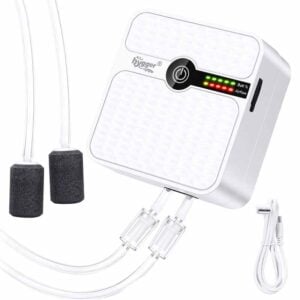
Beyond medications themselves, maintain essential water testing kits that accurately measure ammonia, nitrite, nitrate, and pH levels. Have a dependable thermometer available to monitor any temperature fluctuations that could further stress already vulnerable individuals. Stock extra air stones and replacement tubing to increase oxygen levels when fish are struggling to breathe.
Keep detailed written records of all medication dosages, treatment duration, and carefully observed symptoms for future reference. Maintain a completely separate set of nets, siphons, and cleaning equipment used exclusively for hospital tank purposes.
This important practice prevents potentially dangerous cross-contamination between your hospital tank and main display aquarium environments. Having all these critical supplies organized and ready before emergencies occur ensures you can respond quickly.

Follow-up After Hospital Aquarium Building
Initial Setup and Cycling
After successfully constructing your hospital aquarium, several important follow-up steps ensure it remains ready for immediate use. Cycle the tank completely using beneficial bacteria supplements or established filter media from your main display aquarium. Perform regular water changes every three to four days to maintain consistently pristine water quality standards.
Monitor all water parameters at least weekly, even when the tank sits empty, to ensure filtration remains active. Keep the water temperature stable and consistent with your main tank to minimize shock during necessary transfers. Run the filtration system continuously to maintain healthy populations of beneficial bacteria that process ammonia and nitrite.
Maintaining the Tank When Not in Use
When the hospital tank isn’t actively being used for treatment or quarantine, consider keeping a few hardy fish. These fish provide necessary ammonia to sustain the nitrogen cycle and keep beneficial bacterial colonies functioning properly. Alternatively, you can add small amounts of fish food or pure ammonia regularly to feed bacteria.
Record Keeping and Equipment Maintenance
Document all treatments, detailed observations, and outcomes in a dedicated notebook or organized digital file system. Clean and thoroughly sterilize all equipment after each use with hot water while avoiding soaps that leave residues.
Inspect heaters, filters, air pumps, and other equipment monthly to verify they’re functioning correctly when needed. Proper maintenance between uses means your hospital tank will be immediately ready when health emergencies inevitably arise.

Rounding Out the Discussion
Building a small hospital aquarium represents a wise and essential investment in the long-term health of fish. This dedicated space provides a carefully controlled environment for treating illness, observing new arrivals, and isolating problematic individuals.
A well-maintained hospital tank can save countless fish lives and prevent devastating disease outbreaks from spreading completely.
With this comprehensive guide, you now know how to build and maintain an effective quarantine system. Take action today to establish this critical component of responsible aquarium ownership and ensure optimal fish welfare.
Related Products



Leave a comment