
Something felt off. The tank looked normal at first glance. The water was clear, the filter was humming, and the light was on. But the fish were gone. Not actually gone, just tucked behind rocks, wedged under decorations, and sitting motionless at the back corners where they rarely go. That kind of sudden disappearance from view is one of those things that stops you mid-step. Understanding why fish hide happens is not always straightforward, but working through it step by step usually leads somewhere useful.
Content Table
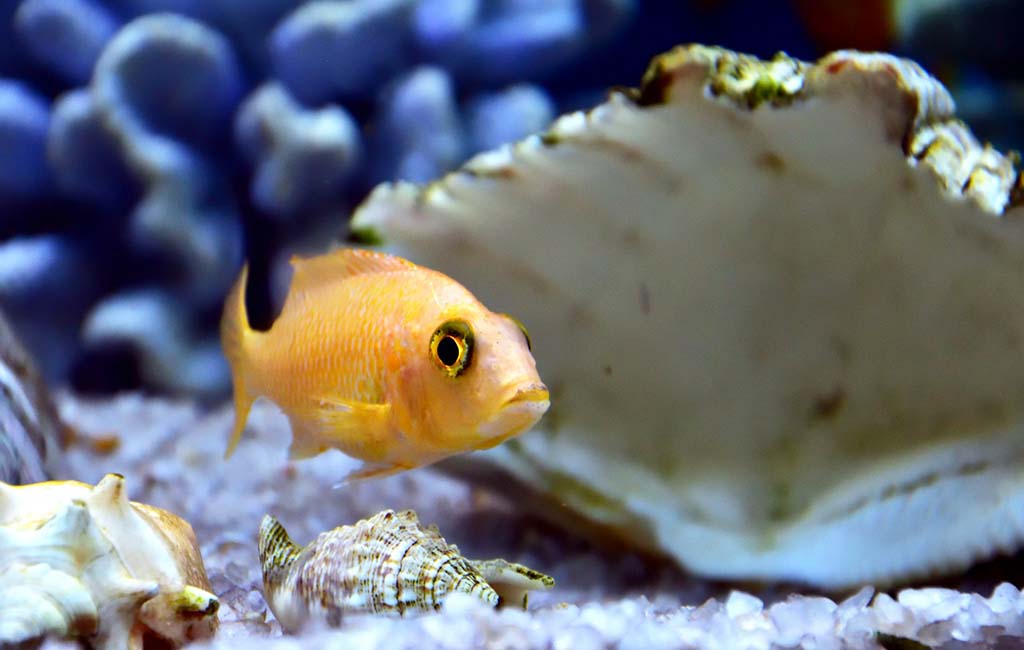
why fish hiding
Hiding Is Not a Normal Behavior for Fish
Most aquarium fish are active, visible creatures by nature. They patrol their territory, swim through open water, interact with tankmates, and respond to movement near the glass. When that stops, something has changed in their environment or their body.
New fish sometimes hide for a day or two during adjustment. That is expected. But fish that were previously social and visible, suddenly retreating into corners or behind plants, is a different situation entirely. It is a behavioral signal, not a personality quirk.
The tank is essentially their whole world. Every stressor, every chemical imbalance, every territorial dispute plays out in that same small space. So when something changes for the worse, hiding is often the first visible sign.
Fish Hiding Examples
The first clear fish hiding example worth noting involves a betta that had been active for months. One morning, he was wedged behind the filter intake and barely moving. No injury was visible. No new fish had been added. But the behavior had changed overnight.
Another fish hiding example that comes up frequently involves community tanks. A group of tetras that previously schooled together near the surface started scattering to the bottom and staying there. Individually, each fish looked fine. Together, the shift in group behavior was obvious.
A third fish hiding example involves cichlids, which are territorial by nature. A previously dominant fish began hiding after a new fish was introduced. That was unexpected, but it pointed directly to a social dynamic problem rather than a water quality issue.
These fish hiding examples share one thing. The behavior change came before any visible physical symptoms. Hiding was the early warning.
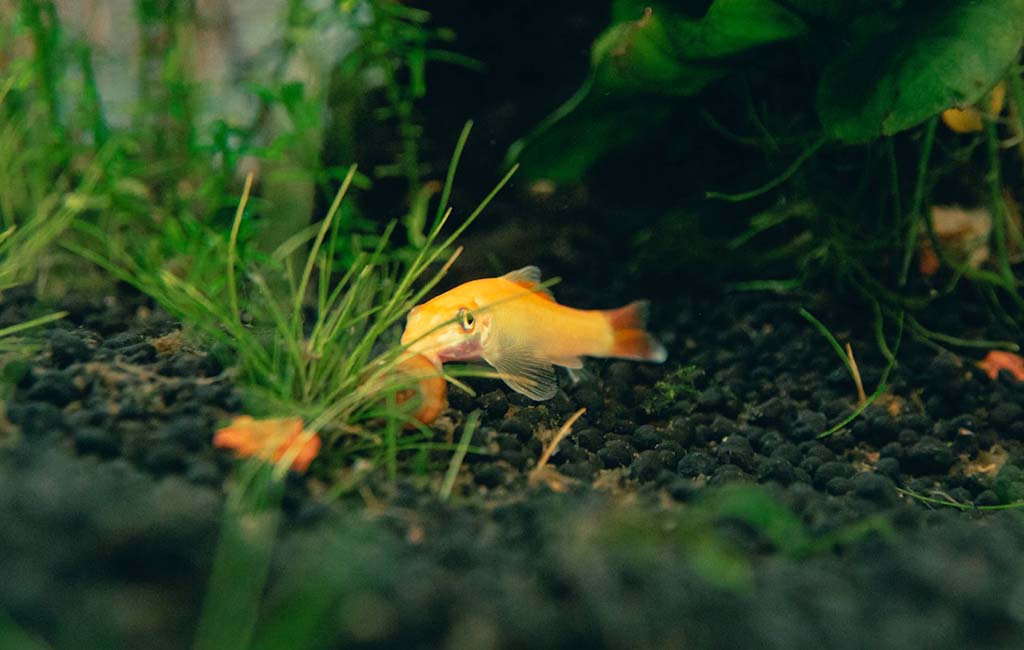
Possibilities of Fish Hiding
Suppose a Few Possibilities of Fish Hiding
Before jumping to conclusions, it helps to think through the most common reasons why fish hiding occurs.
Stress from environmental changes:
- A sudden temperature drop or spike
- New lighting that is too bright or on for too long
- Vibrations near the tank from speakers or heavy foot traffic
Water quality problems:
- Ammonia or nitrite spikes from overfeeding or an uncycled tank
- Low oxygen caused by poor surface agitation
- pH swings, particularly in softer water
Disease or physical discomfort:
- Parasites like ich or velvet in the early stages
- Internal infections that are not yet visible externally
- Swim bladder issues that make open swimming uncomfortable
Social and territorial conflict:
- A new fish asserting dominance
- Breeding behavior that makes certain fish defensive
- Overcrowding reduces available space and causes chronic stress
None of these possibilities negate the others. Sometimes two or three are happening at once, which is why a single fix does not always solve the problem immediately.
Observation Record for Your Fish
Investigation Recent Changes
This is the part that requires some honest reflection about the tank. What actually changed in the last week or two?
Some things are obvious. A new fish was added. A decoration was moved. The tank was cleaned more aggressively than usual. Those are easy to trace.
Other changes are less obvious. The room got colder because the heating system changed for the season. A new cleaning product was used near the tank. The feeding schedule shifted. Even a new bag of fish food from another supplier can sometimes affect behavior in sensitive species.
Going back through recent activity, even mentally, often surfaces the answer. In the better example mentioned earlier, a closer look revealed that the heater had been unplugged briefly during a water change and not fully seated back in position. The water temperature had dropped four degrees over two days. That was enough.
Observation Record for Your Fish
Keeping a short daily log during this period is genuinely useful. It does not need to be detailed, just a few observations written down or noted on a phone.
What to track:
- Which fish are hiding, and at what time of day
- Whether they are eating when food is offered
- Physical appearance, including fin condition, coloration, and body shape
- Group behavior, especially whether schooling fish stay together
- Any unusual swimming patterns, such as listing, darting, or surface gasping
After three or four days, patterns become clearer. A fish that hides only in bright light has a different problem than one that hides constantly regardless of conditions. A fish that still eats is in a different category from one that refuses food entirely.
Appearance matters too. Clamped fins, pale coloration, white spots, or bloating alongside hiding behavior narrows the list of causes significantly.
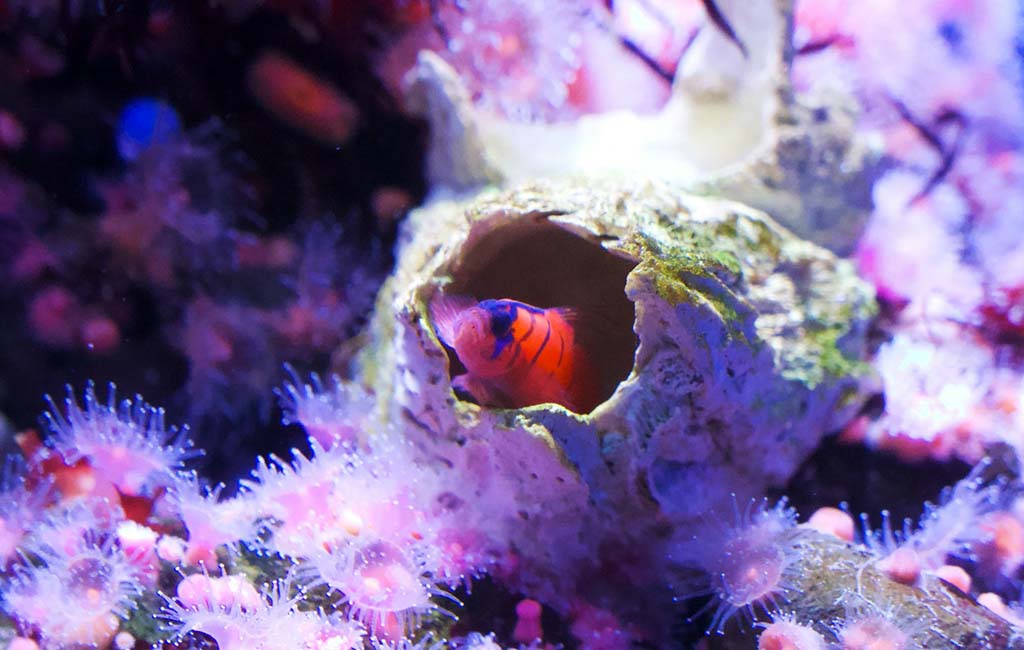
fish hiding examples
What Changes Were Made for Fish Hiding?
After observation, the adjustments made will depend on what the records reveal. There is no universal solution for why fish hiding happens, but a few changes tend to address the most common causes.
For water quality concerns:
- Test the water for ammonia, nitrite, nitrate, and pH before changing anything else
- Perform a 25 to 30 percent water change with properly conditioned, temperature-matched water
- Reduce feeding temporarily to limit waste buildup
For stress and environmental issues:
- Add more hiding spots, paradoxically, because fish that feel secure enough to hide when they choose are less chronically stressed
- Reduce lighting duration to eight to ten hours per day
- Move the tank away from sources of vibration or high foot traffic if possible
For social conflict:
- Temporarily separate an aggressive fish using a tank divider
- Rearrange decorations to break up established territories
- Reassess whether the current fish combination is actually compatible
In the tetra example, a water test revealed elevated nitrates from an overdue filter cleaning. After a water change and filter media rinse, the group returned to normal schooling behavior within 48 hours.
fish to recover
How Long Does It Take for Fish to Recover
This depends entirely on the cause. For fish hiding due to a water quality issue that has been corrected, many fish return to normal behavior within one to three days once parameters stabilize.
Stress-related hiding from a new tankmate or environmental change can take longer, sometimes one to two weeks, particularly for more sensitive species. Fish that were exposed to disease and are recovering after treatment may take several weeks to fully regain normal activity levels.
The key indicator that a fish is recovering is not just visibility but active behavior. A fish sitting in the open but not swimming normally or not eating is still struggling. A fish that is actively exploring, feeding well, and interacting with its environment is genuinely on the mend.
Patience matters here. Changing multiple things at once while waiting for improvement often makes it harder to identify what actually worked.
Fish Hiding
The Rules Learned from the Action
Working through a fish-hiding situation teaches a few things that stick.
Behavior changes before physical symptoms appear. Catching the problem at the hiding stage, before fin deterioration or visible disease, gives far better outcomes than waiting until something is obviously wrong.
Observation without intervention first is underrated. The instinct to immediately add medication or rearrange everything is understandable, but it often complicates rather than solves the problem.
And tanks are not static. Water chemistry shifts, fish grow, hierarchies change, and equipment ages. Checking in regularly rather than only when something goes wrong is what keeps a healthy tank from becoming a problem tank.
Fish hiding is almost always a message. Learning to read it makes all the difference.
Related Products


Leave a comment