
The Forgotten Treasure of Southeast Asia’s Rivers
Content Table
The Southeast Asian freshwater fish Boesemania microlepis is a mysterious and dwindling species of freshwater fish that is overshadowed by more popular aquatic species. As a small-scale croaker, it is in the family Sciaenidae. More typically represented by marine fish, such as croakers and drums. Boesemania microlepis is not unique in its taxonomic status within the genus Boesemania. But also its unusual freshwater habitat, unusual reproduction behavior, and the spectacular decline due to environmental and anthropogenic factors.
In this hygger blog, we discuss the ecological importance, reproduction, and conservation issues of Boesemania microlepis. We will also explore cultural anecdotes related to the species and provide some idea of the reasons why its conservation is more important now than ever.
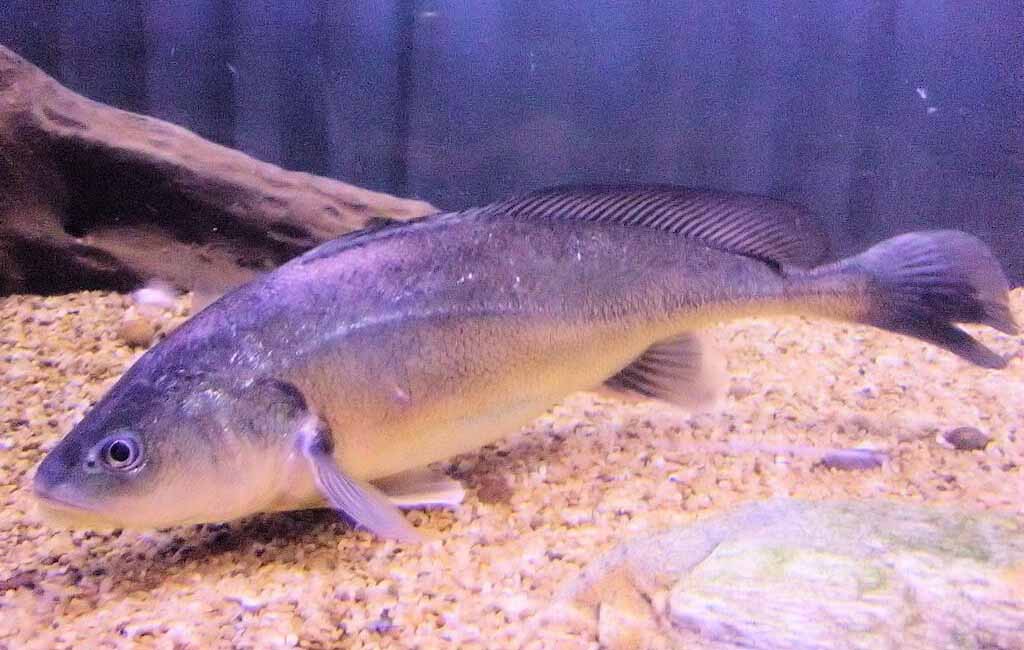
Boesemania microlepis
Single Species Boesemania Microlepis
Boesemania microlepis is the only species of its genus that is taxonomically rare, as well as an indication of its evolutionary uniqueness. It is mostly found in the big freshwater rivers in Southeast Asia, particularly the Mekong and Chao Phraya basins. In contrast to most of the other species belonging to the Sciaenidae family that are either marine or estuarine, B. microlepis is truly a freshwater fish. This is what makes it unique and ecologically special, because this is the only adaptation to an entirely freshwater lifestyle.
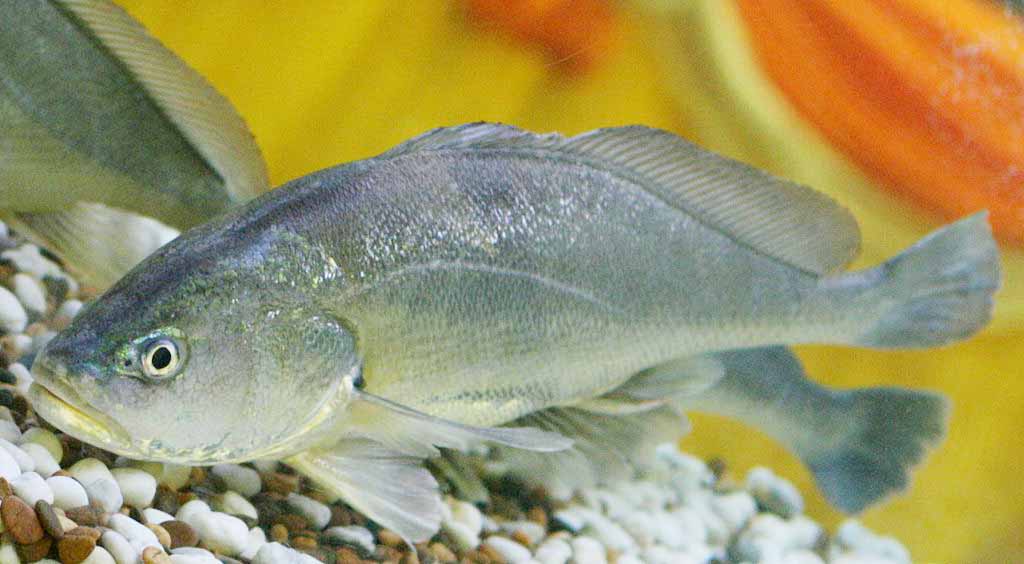
The fish is physically streamlined, long-bodied, but covered by small silvery scales (hence the name microlepis, meaning small-scaled). The length of adult fish reaches 60 cm. It possesses a well-developed lateral line system. This enables it to sense movement and vibration in water: useful both to detect prey and to assist in communication.
The other outstanding characteristic of Boesemania microlepis is that it produces sound. Like its marine relatives, it possesses well-developed sonic muscles that are attached to its swim bladder, and it is able to drum or croak. They are especially significant at the spawning time when they serve as a kind of acoustic communication.
Boesemania Microlepis Spawning Sites
One of the most interesting features of Boesemania microlepis biology is the spawning behavior of the fish. Due to the fluctuations in water level and temperature, this species is inclined to migrate to certain points of upstream spawning. This is performed at the beginning of the rainy season (usually March-July).
The areas where these spawnings take place are mostly deep pools of major rivers, especially in areas of river bends or confluences. Where the water flow is slow yet high in oxygen. These spawning grounds have been well-known to local fishers in Laos, Cambodia, and Thailand, who may refer to them by traditional names and appreciate their significance not just ecologically, but economically.
They form huge schools and also spawn in unison, with the males drumming to lure the females. The fertilized eggs are released into the water column. Thus, they are swept away by the current. The young later develop in the floodplain environments, where they have access to food and protection.
Unluckily, these spawning sites are becoming more endangered. Dams, sand mining, and habitat fragmentation have closed off access to traditional spawning grounds or changed them beyond repair. Consequently, the reproductive success of B. microlepis has been steadily decreasing over the past decades.
The Anecdote of Boesemania Microlepis
The Anecdote of Boesemania Microlepis
Boesemania microlepis is not only a fish in many communities in Southeast Asia, but also a fish that is culturally and economically important. It is considered a prized catch as well as being tasty in Cambodia and Laos. The fishers tell of having heard the croaking of male fish underneath their boats, particularly at night in spawning time. These noises used to be a sign of prosperity- a good indication that the river was supportive and fertile.
Previously, B. microlepis was often caught by local fishers in huge quantities with the help of traditional fishing equipment, including gill nets and bamboo traps. Fishing trips would be organized in villages around known spawning times. The fish was either consumed fresh, sun-dried, or fermented into local delicacies.
But these stories have become rather bittersweet over time. Lots of older fishers are complaining that the croaking sounds are either weakened or have vanished completely. Fishing grounds that have been common in the past are now depleted, and the occurrence of B. microlepis is very scarce.
This shift from abundance to scarcity has not only impacted food security but has also eroded the cultural identity associated with the river and the resources it provided.
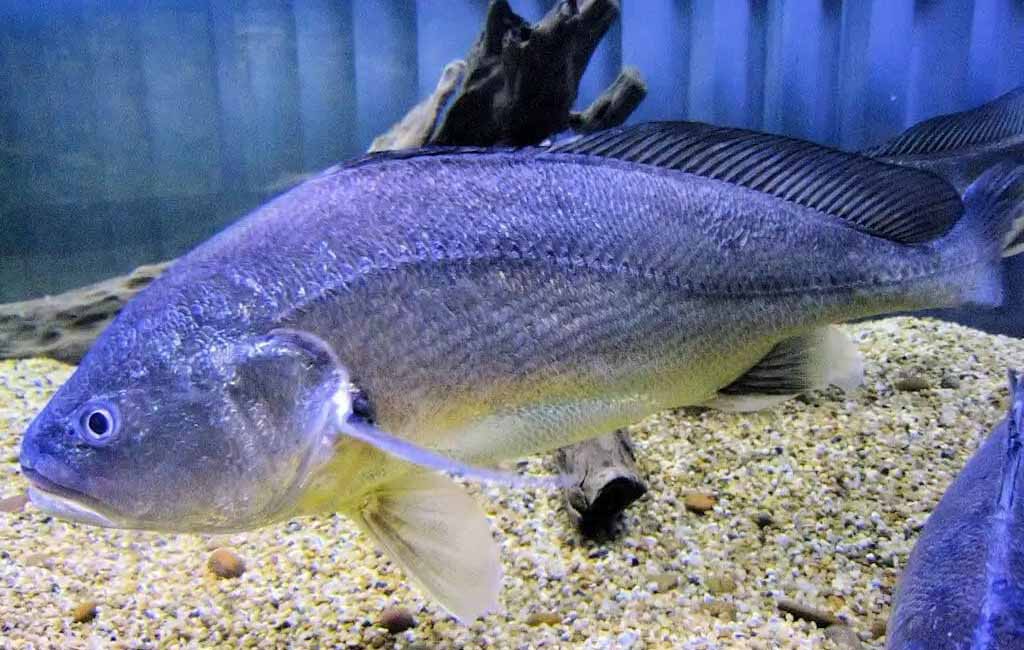
Threats cause the endangered Boesemania microlepis
Endangered Boesemania Microlepis
The IUCN Red List has now listed Boesemania microlepis as endangered. A complex of threats causes the population to decrease.
1. Hydropower Dams
The presence of large dams constructed on rivers such as the Mekong and its tributaries has caused physical barriers that inhibit the upward migration of B. microlepis to spawning grounds. The changed states of the flow also alter the sediment loads and water quality, which negatively affect habitats vital to various stages of the fish.
2. Habitat Destruction
The quality of the river ecosystem has been undermined through sand mining, deforestation in riverbanks, and agricultural and industrial pollution. Pits are filled in, spawning grounds are destroyed, and young fish can not survive in polluted or nutrient-poor waters.
3. Overfishing
The uncontrolled and increased fishing activities, especially during the breeding seasons, have seen the number of breeders plummet. The problem is also worsened by the employment of illegal or unsustainable fishing techniques (such as electrofishing or dynamite fishing), which inadvertently kill young ones and non-targeted species.
4. Climate Change
Climatic changes that cause variations in rainfall, temperature, and river flows add to the already weak population. Seasonal change can mess up the spawning cue, resulting in reproductive mismatch.
The resulting impact of all these pressures is a sharp fall in population. In some studies, it is proposed that Boesemania microlepis populations have been reduced by more than 80 percent in the past few decades in major areas.
Conservation Efforts & the Path Forward
Boesemania microlepis conservation measures are still in their infancy, but promising. Mekong region organizations and research institutions are:
- Identifying and Mapping Critical Habitats: Scientific studies are now focusing on pinpointing key spawning and nursery areas to protect them effectively.
- Promoting Sustainable Fishing Practices: Awareness campaigns and community-based fisheries management are being implemented to reduce overfishing during sensitive seasons.
- Establishing Protected Areas: Certain parts of the Mekong River are now being considered for seasonal closures to safeguard spawning events.
- Environmental Flow Regulations: Calls are growing louder for dam operators to mimic natural flow cycles during spawning months, allowing the fish to follow their natural migratory patterns.
Furthermore, transboundary collaboration between such countries as Thailand, Laos, Cambodia, and Vietnam is increasing, because all of them are linked by the Mekong River. Preservation of B. microlepis is not a matter that can be done in isolation, but follows regional cooperation.
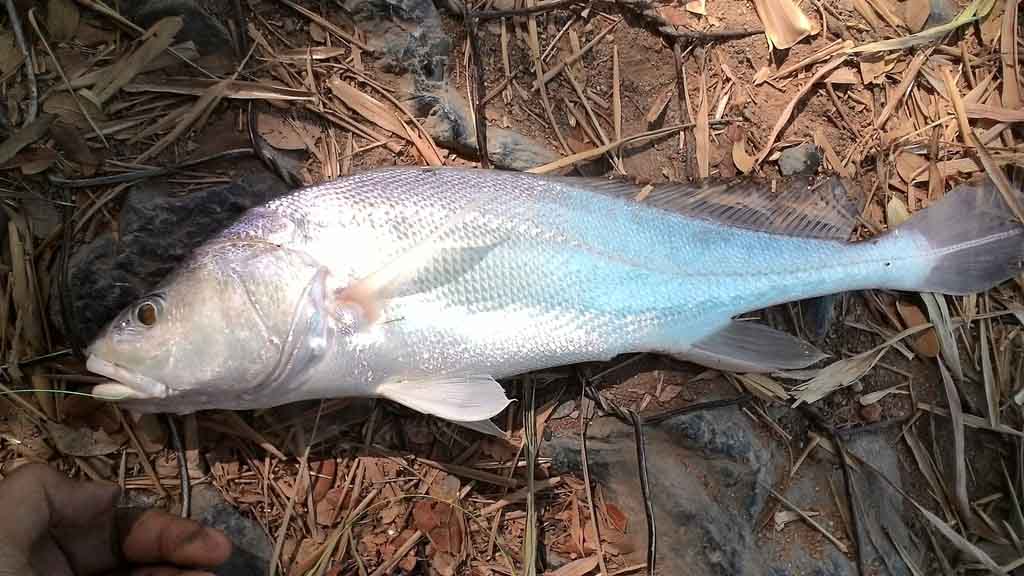
endangered Boesemania microlepis
Final Thoughts
Boesemania microlepis is not only an endangered member of the fish world, but a monitor of river health, a marker of a cultural memory, and an indicator of the inseparable bond between biodiversity and the livelihood of people. It has a peculiar biology, acoustic communication, and solitary taxonomic position, which makes it a precious jewel in the world of freshwater fauna.
However, this incredible creation can vanish in our lifetime unless decisive and concerted measures are taken. Preservation of Boesemania microlepis is not just the saving of one species. It means preserving an entire ecosystem, a way of life, and a vital part of Southeast Asia’s natural heritage.
Related Products





Leave a comment