
If you have ever walked past a tank full of tiny, active little fish darting around the bottom and thought, “I need those,” you probably spotted pygmy cory catfish. They are small, social, and honestly, one of the more rewarding fish you can keep in a freshwater setup. This care guide covers everything from their basic profile to the best tank mates, feeding habits, and how to actually keep them alive and happy long term. No fluff, just the good stuff.
Content Table
pygmy cory
Pygmy Cory Catfish: A Quick Profile
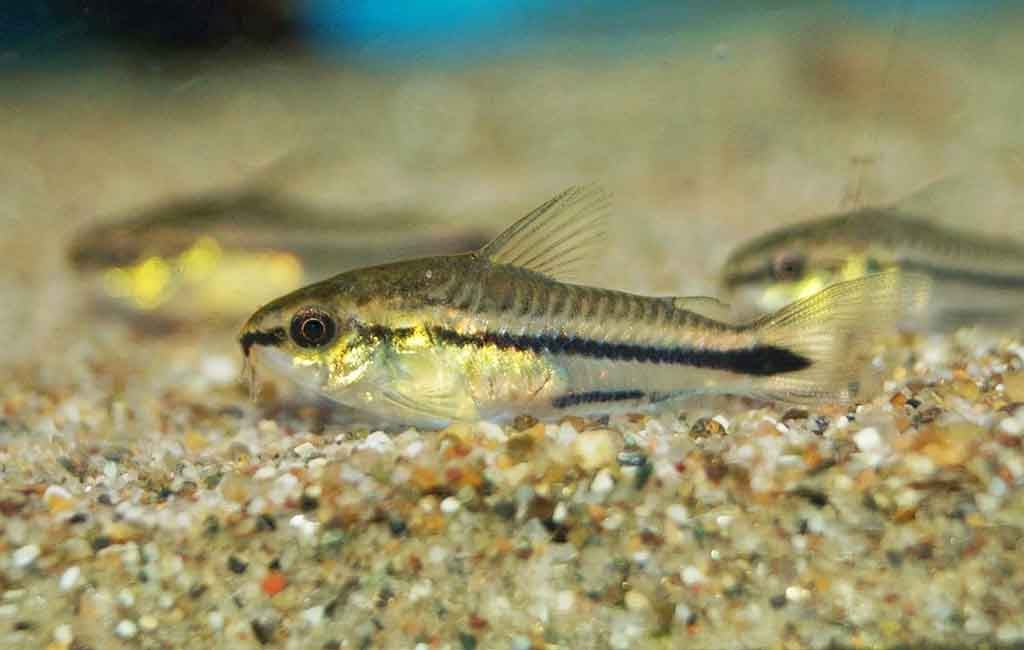
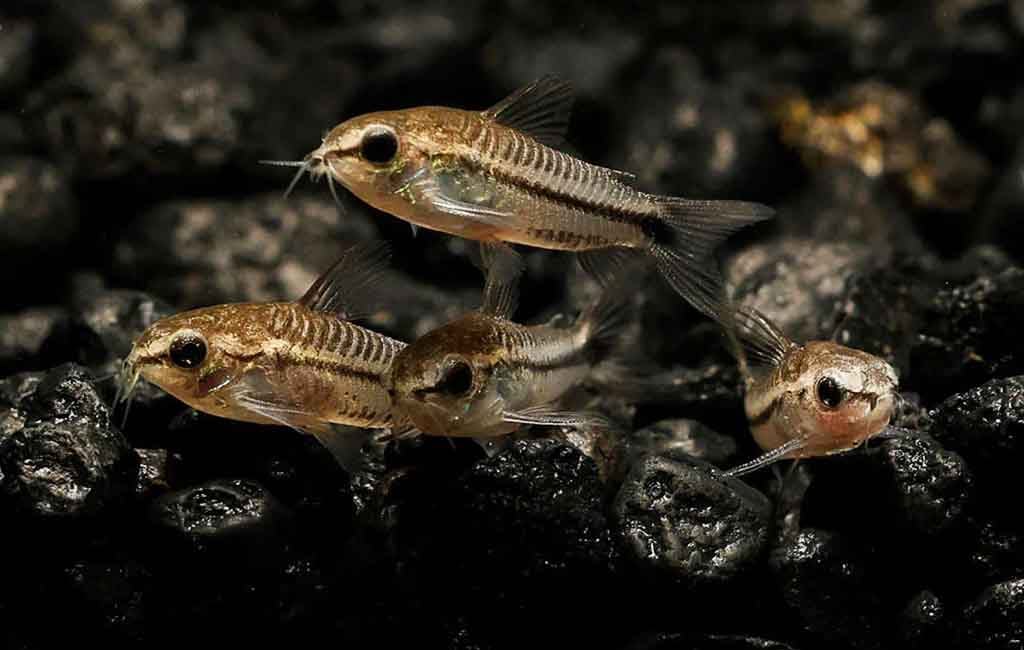
The pygmy cory, known by its scientific name Corydoras pygmaeus, is one of the smallest catfish in the hobby. Adults usually reach about 1 inch in length, sometimes a touch over that. The females tend to be slightly rounder and larger than males, especially when they are carrying eggs.
Size and Lifespan
These fish are small. Like, genuinely tiny. A fully grown pygmy cory sitting next to a standard cory catfish looks like a baby. But do not let the size fool you. Given good care, they live anywhere from 3 to 5 years, sometimes longer, in well-maintained tanks.
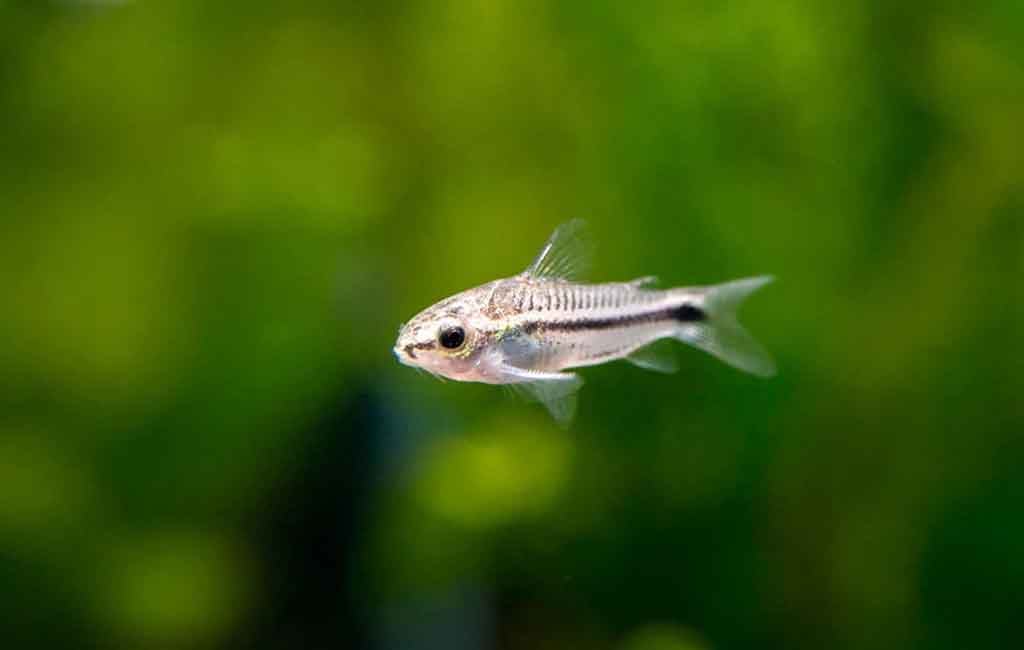
They have a distinctive look, too. A dark horizontal stripe runs along the side of the body from nose to tail, and the body itself is a silvery-white color. Pretty simple patterning, but it works. They look elegant in a planted tank.
Natural Habitat
Originally from South America, specifically from river systems in Brazil like the Madeira and Aguapei rivers. These are soft, slightly acidic, warm waters with slow movement and a lot of leaf litter and fine substrate on the bottom. Keeping that in mind when setting up a tank makes a big difference.
pygmy cory catfish
Are Pygmy Corys Bottom Feeders?
Kind of. But not entirely, and that surprises a lot of new keepers.
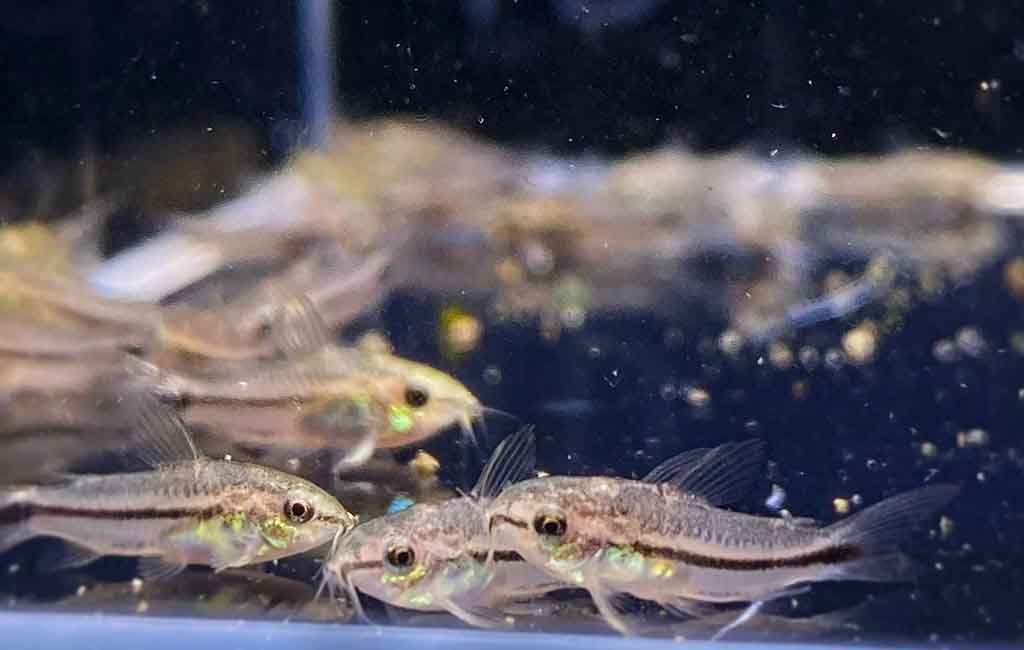
Unlike most cory species that spend nearly all their time on the substrate, pygmy cories are midwater swimmers too. You will often find them hanging around in the middle column of the tank, especially in groups. They school actively, which is part of what makes them so fun to watch.
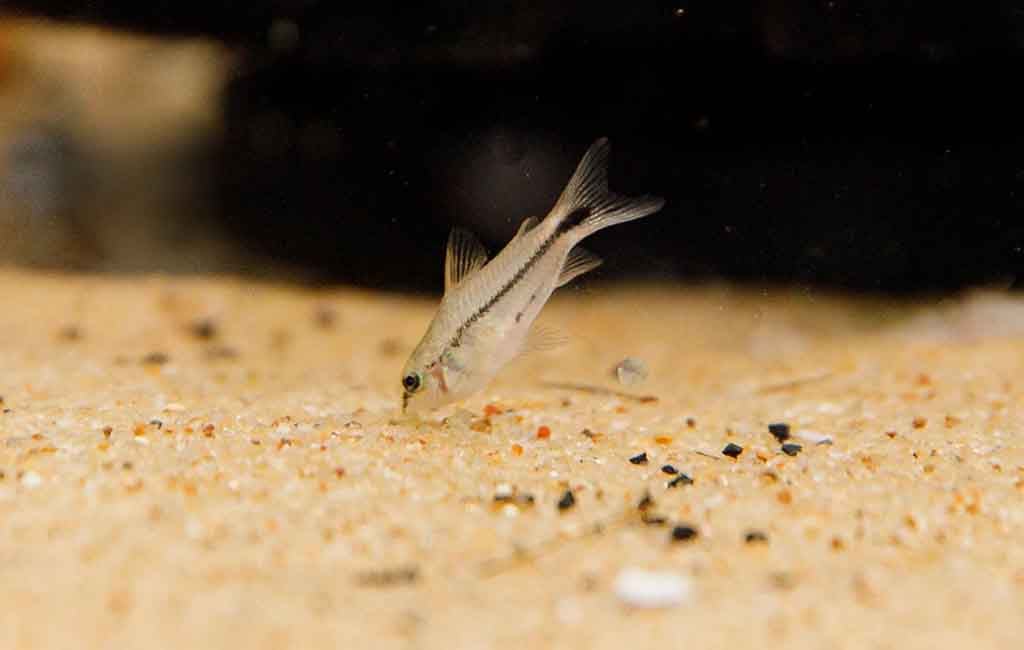
That said, they do spend time on the bottom foraging for food. They use their barbs to sift through substrate looking for bits of food. So yes, they do the whole bottom-feeder thing, but they are not glued to the floor like some catfish species.
One thing to keep in mind is that their barbs are sensitive. If the substrate is too rough or sharp, it can damage those little sensory organs and lead to infection. Fine sand is the way to go. Coarse gravel is a bad idea for pygmy cories.
Aquasoil for Pygmy Cory Keeping
A lot of planted tank keepers wonder whether aqua soil works for pygmy cories. The short answer is yes, but with some caveats.
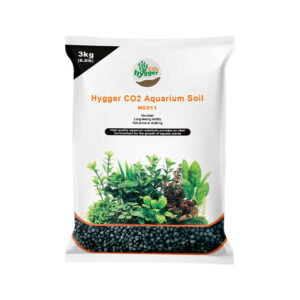
Aqua soil, like hygger HC011 aquarium soil or similar substrates, can work fine as long as the grain size is small and the surface is not too sharp. Pygmy cories do forage along the bottom, so a softer, finer substrate is always going to be safer for their barbels than something chunky.
If you are running a planted tank with aquasoil and want to keep pygmy cories, just check the texture before adding them. Run your fingers through it. If it feels scratchy, consider capping it with a thin layer of fine sand on top. The plants will still root fine, and the cories will thank you for it.
Feed Pygmy Cory
How Often to Feed Pygmy Cory
Pygmy cories are not picky eaters, which is refreshing. They will eat a range of foods and do not require anything fancy to thrive.
What to Feed Them
They do well on a mix of:
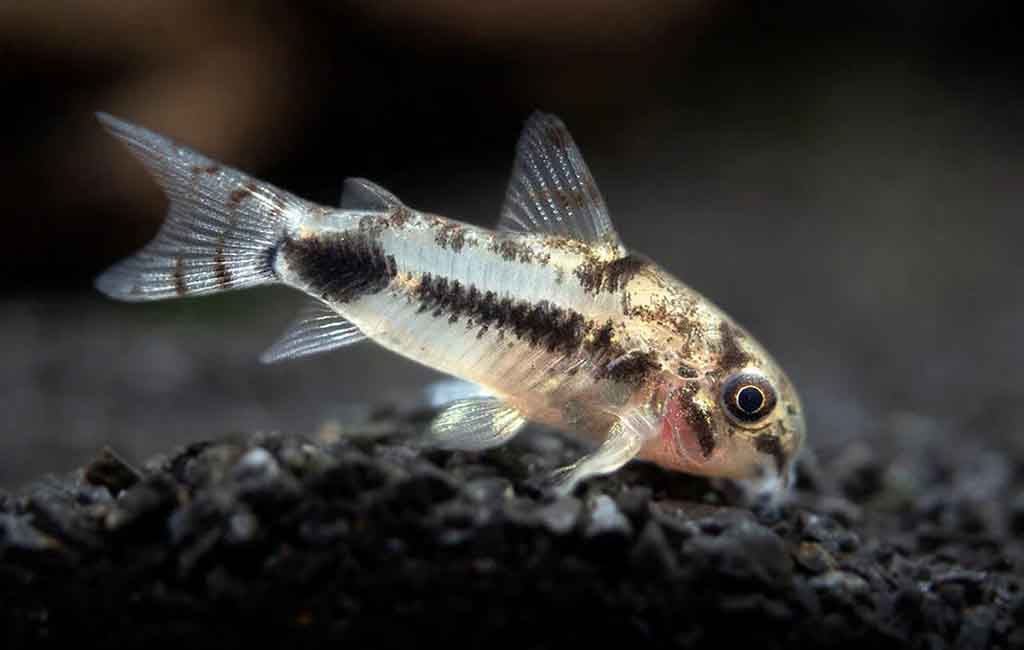
- Sinking pellets or wafers are the foundation of a good diet. The sinking wafers or similar small-sized pellets work well. The key is that the food sinks, because these fish are not going to chase anything in the water
- Frozen or live foods like baby brine shrimp, daphnia, and micro worms go down a treat. Adding these a few times a week keeps them in good condition and can encourage breeding.
- Blanched vegetables like zucchini or spinach can be offered occasionally, though they tend to be less enthusiastic about these than some other bottom dwellers.
Feeding Schedule
Once or twice a day is plenty. Feed only what they can finish in a few minutes. Leftover food sitting on the substrate breaks down fast and tanks water quality, which pygmy cories are sensitive to. Overfeeding is one of the more common ways people run into problems with these fish.
pygmy cory care guide
Pygmy Cory Care Guide
Here is the full care sheet for keeping pygmy cories in good shape.
- Tank size: A group of 6 to 10 can be kept in a 10-gallon tank, though a 20-gallon tank gives more room for a bigger school and better water stability.
- Water temperature: 72 to 79 degrees Fahrenheit. They tolerate a small range but do not like big fluctuations.
- pH: 0 to 7.5. They come from soft, acidic water, so leaning toward the lower end is a smart move.
- Water hardness: Soft to moderately hard. Very hard water is not ideal for long-term health.
- Tank setup: Dense planting, some driftwood, and low lighting suits them well. They like places to hide and feel secure. A bare, bright tank with no cover stresses them out.
- Group size: Never keep fewer than 6. These fish school, and when kept alone or in very small groups, they become stressed and less active. A group of 10 or more is where they really start to shine.
- Water changes: Weekly water changes of 20 to 30 percent keep conditions stable. Pygmy cories are sensitive to ammonia and nitrite spikes, so a well-cycled tank before adding them is non-negotiable.
Pygmy Cory Tank Mates
Choosing the right pygmy cory tank mates matters a lot, given how small these fish are.
Good options include:
- Small tetraslike ember tetras, neon tetras, and chili rasboras, work well. They occupy different parts of the water column and are not aggressive.
- Dwarf rasborassuch as Boraras species, are a great fit. Similar water requirements and peaceful temperament.
- Otocinclus catfish are a popular pairing and will be covered in the next section.
- Endlers and small livebearers can work in harder water setups, though the water parameters may need some compromise.
- Other small cories, like false julii or habrosus cories, can coexist, though keeping different species together sometimes dilutes the schooling behavior.
Fish to avoid: anything aggressive, nippy, or large enough to see the pygmy cory as a snack. Cichlids, tiger barbs, and large botiid loaches are all bad ideas.
pygmy Cory tank mates
Otocinclus vs Pygmy Cory
People often compare these two because they are both small, peaceful, and common in planted tanks. But they are pretty different in terms of role and care.
Otocinclus
Otocinclus are algae eaters first and foremost. They graze on soft green algae, biofilm, and diatoms on plant leaves and glass. They are not great scavengers of leftover food and need a steady supply of algae or supplemental feeding with zucchini and algae wafers to stay healthy. They can be tricky to keep initially because they are sensitive to water quality and often arrive at fish stores in poor condition.
Pygmy cories
Pygmy cories are more flexible feeders. They scavenge, swim midwater, and are generally a bit hardier once settled in. They do not do much for algae control, but they help clean up uneaten food and add a lot of visual activity to the lower and middle tank areas.
In a planted tank, having both is a solid combo. Otos handle the algae, pygmy cories handle the substrate cleanup, and both are peaceful enough to coexist without issues. Just make sure the tank is mature and well-established before adding photos.
Otocinclus vs Pygmy Cory
Concluding Remarks
Pygmy cory catfish are one of those fish that reward patience and attention. Set the tank up right, keep them in a proper group, feed them well, and maintain clean water. Do all that and you get to watch one of the most active, charming little fish in the hobby go about their daily business. They are small, but they bring a lot of life to a tank. Once you keep them, it is pretty hard to imagine a setup without them.
Related Products



Leave a comment