
Tree frogs are enchanting creatures, regarded for his or her vibrant colors and excellent agility. Captivating fanatics with their acrobatic antics, those amphibians make excellent pets for those willing to create a suitable habitat and offer proper care. Whether you are a skilled proprietor or a budding fanatic, understanding the nuances of tree frogs and caring for them frogs vital to their well-being.
Content Table
Where Do Tree Frogs Live
Tree frogs are amphibians that are known for their ability to climb and stay in trees. They are observed in various parts of the arena, including tropical rainforests, jungles, and even some suburban areas. In their herbal habitat, tree frogs normally reside in areas with high humidity, which include near bodies of water like ponds, streams, or swamps. They are nicely adapted to dwelling in bushes, with their specialized toe pads that allow them to grip onto branches and leaves.
In captivity, tree frogs can be kept in specifically designed terrariums that replicate their natural surroundings. These terrariums have to consist of stay vegetation, branches, and foliage to mimic the trees they would inhabit in the wild. The temperature and humidity levels also need to be carefully controlled to provide the greatest living situations for the tree frogs.
Are Tree Frogs Toxic
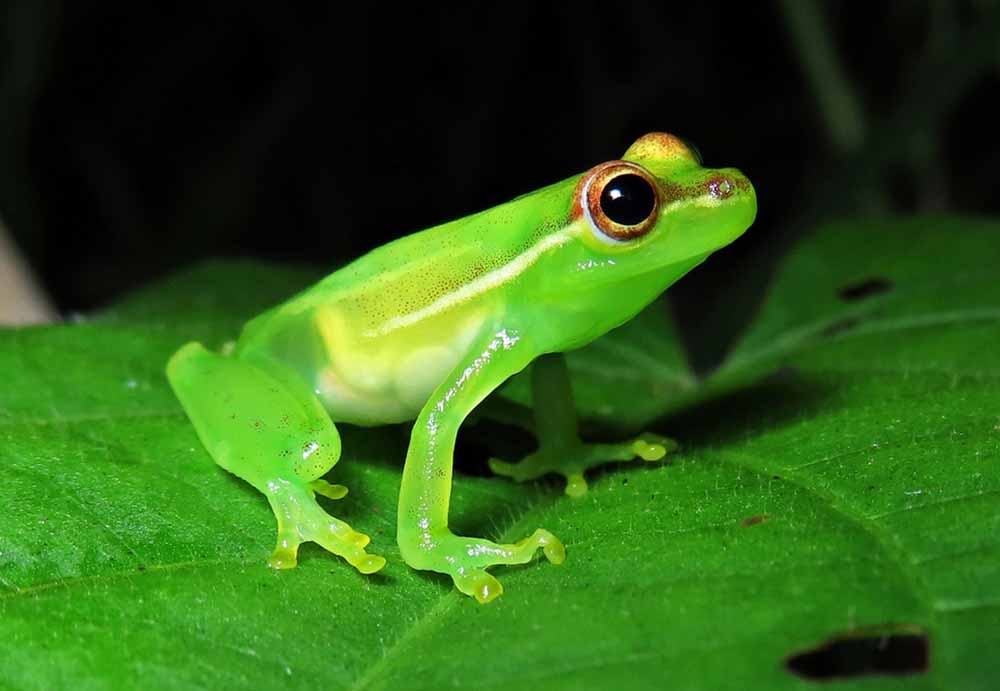
Tree frogs are not generally toxic to humans. While some species of tree frogs do produce poisonous secretions, those pollutants are generally harmless to humans and are used as a protection mechanism against predators. Many humans hold tree frogs as pets with no problems.
Green tree frogs can be saved as pets. However, it’s far more important to deal with them with care and keep away from touching or eating their skin secretions. When retaining an inexperienced tree frog as a puppy, it is recommended to clean palms very well after dealing with them, and no longer touch your face or mouth while coping with them. Additionally, it is essential to provide a suitable habitat and food regimen for the frog to ensure its well-being.
Keeping an inexperienced tree frog as a pet can be a profitable experience for reptile fans. These frogs are regarded for their colorful inexperienced coloration and unique behaviors. However, ability owners should be aware of the dangers associated with their toxicity and take proper precautions to ensure their own safety and well-being, as well as other pet frogs.
What do Tree Frogs Devour
Tree frogs are small amphibians that have numerous weight loss plans, consisting mainly of bugs. They are carnivorous and feed on quite a few invertebrates, along with spiders, beetles, ants, flies, and moths. They are also recognized for devouring small crustaceans, snails, or even different small frogs.
Tree frogs have a unique feeding approach. They use their long, sticky tongues to catch their prey. When an insect or small invertebrate comes within range, the tree frog will amplify its tongue with lightning speed and catch the prey. The sticky surface of the tongue helps the frog to keep onto its meal.
Being part of the meal chain, tree frogs also play a vital role in preserving the stability of ecosystems. By feeding on bugs and other small invertebrates, they assist in manipulating their populations. This, in turn, prevents outbreaks of pests and facilitates the loss of biodiversity.
How to Diagnose the Tree Frog’s Infection
Diagnosing a tree frog’s contamination can be a tough undertaking; however, with careful observation and interest in the element, it’s miles possible to discover and address health issues. Here are a few steps and considerations to assist in diagnosing a tree frog’s illness:
- Observe Behavior
Pay close attention to the frog’s behavior. Look for signs of lethargy, loss of urge for food, odd posture, or changes in activity ranges. These can imply underlying fitness issues.
- Check Physical Appearance
Examine the frog’s physical, and look for any abnormalities. Look for skin discoloration, sores, swelling, or discharge from the eyes or nose. These may be symptoms of infections or diseases.
- Monitor Breathing
Observe the frog’s breathing sample. Labored or abnormal respiration can suggest breathing problems or infections.
- Assess Eating Habits
Monitor the frog’s eating behavior. Loss of appetite or issues in swallowing may be a sign of digestive troubles or mouth infections.
- Consult a Veterinarian
If you think that your tree frog is ill, it’s vital to seek advice from a veterinarian who focuses on unique pets. They will have the understanding and knowledge to conduct a thorough exam and offer vital treatment.
- Provide Necessary Information
When touring the veterinarian, provide them with as much information as possible regarding the frog’s surroundings, eating regimen, and any recent modifications in behavior or look. This fact will assist the veterinarian in making an accurate diagnosis.
- Diagnostic Tests
The veterinarian might also conduct diagnostic tests, which include blood and urine analyses, fecal analysis, or bacterial cultures, to pick out any underlying infections or illnesses.
- Follow Treatment Plan
Once a diagnosis is made, follow the veterinarian’s recommended remedy plan. This can also encompass remedy administration, changes in eating regimen or habitat, or different unique care commands.
More Keeping Tips About Tree Frogs
Beyond the basics, right here are extra guidelines to ensure your tree frog’s happiness and health:
Temperature Control
Maintain the best temperature gradient inside the enclosure, offering warmer and cooler zones to allow the frog to regulate its body temperature.
Nighttime Lighting
Consider the usage of red or blue lighting to simulate the natural light cycle without disrupting their resting patterns.
Handling Practices
Limit dealing with vital tasks like cleansing and health assessments. When coping with, achieve this lightly and with moist fingers to prevent pressure or harm to their delicate pores and skin.
Quarantine
Quarantine new additions in a separate enclosure for not less than 30 days. This exercise enables taking a look at their health and prevents sickness transmission in your institution.
Environmental Enrichment
Consider including numerous mountaineering branches, foliage, and even small water capabilities to encourage herbivorous behaviors.
Water Quality and Hygiene
Regularly empty and replace standing water to prevent bacterial growth and make sure your tree frogs have got right of entry to easy, fresh water always.
Stress Minimization
Minimize pressure elements by way of preserving noise levels low around their habitat, offering hiding spots, and ensuring a constant day-night cycle mimics their natural surroundings.
Observation and Interaction
While restricting direct management is advisable, watching your tree frogs from a distance can offer insights into their conduct and usual fitness.
Conclusion
Tree frogs make fascinating partners, thriving whilst supplied with meticulous care and nurturing surroundings. Understanding their herbal habitat, dietary needs, and capacity health issues is critical for his or her well-being. By implementing these retaining hints, fans can make sure of the happiness and fitness of their tree frog pets, fostering a satisfying bond while relishing the wonders of these enthralling amphibians.
Related Products





Leave a comment